
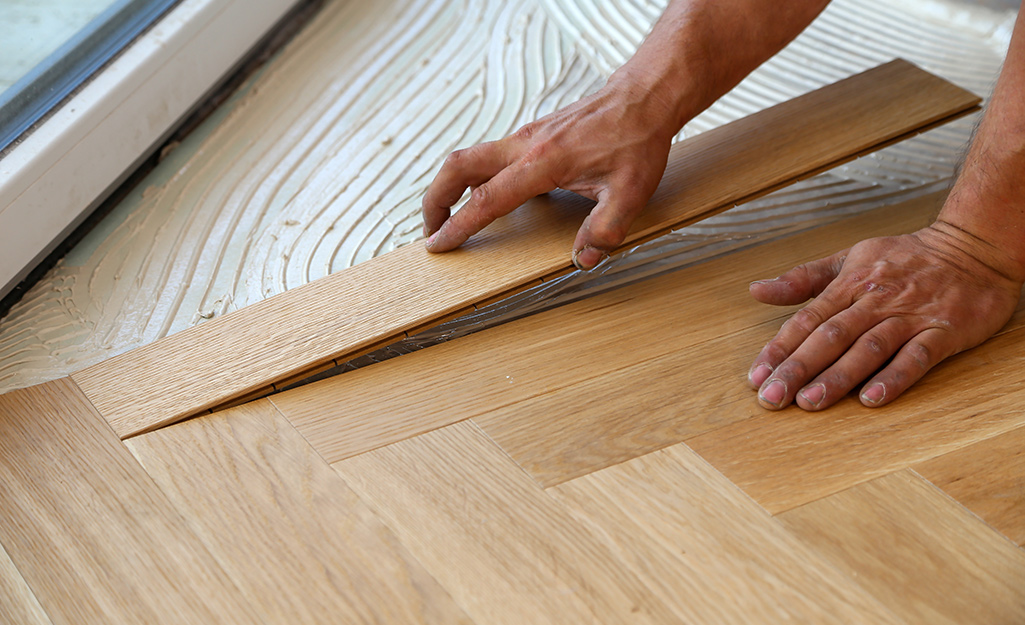
Gluing down solid wood flooring can be an excellent option, especially for a permanent and stable installation. It provides a strong bond to the subfloor, reducing movement and creaking over time. This method is particularly suitable for concrete subfloors, radiant heating systems, or installations where floating floors might not be ideal. It also helps create a seamless look, as gaps between planks are minimized.
However, proper preparation of the subfloor, choosing the right adhesive, and following manufacturer instructions are crucial for success. Additionally, drying and curing times should be considered to ensure a durable, lasting finish.
Gluing down solid wood flooring is not typically recommended—especially over large areas or in certain environments—because it can lead to issues related to wood movement. Here’s a breakdown of the pros, cons, and the best practices if you’re considering it:
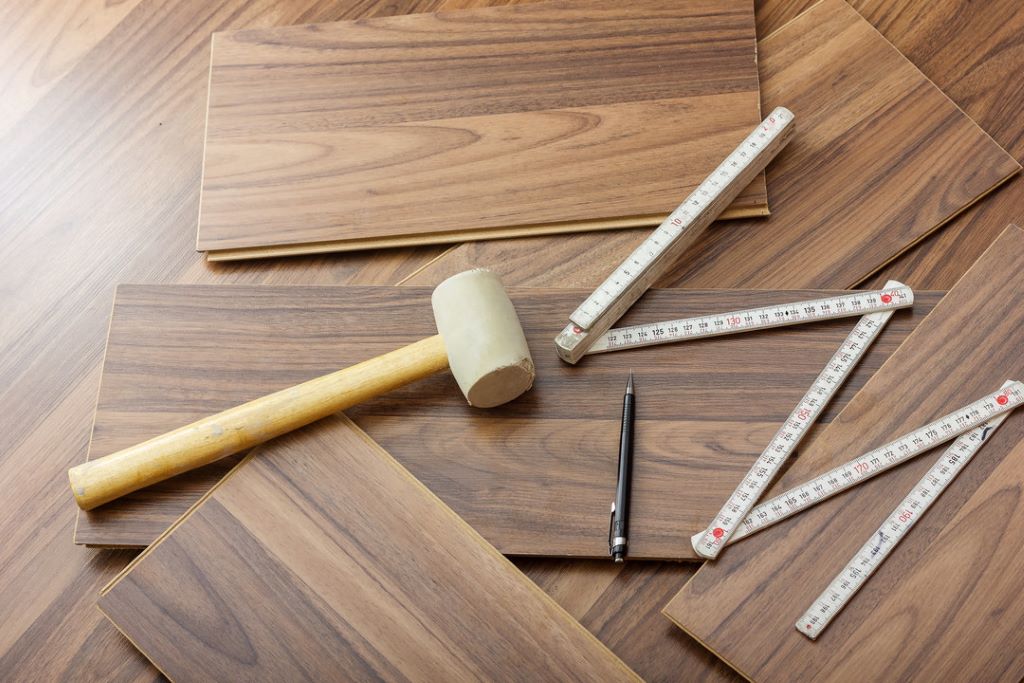
Typical Installation Methods for Solid Wood Flooring
Nail/Staple-Down (Most Common):
- Best for solid wood.
- Installed over wooden subfloors (e.g., plywood or OSB).
- Allows the wood to move and expand naturally.
Glue-Down (More Common for Engineered Wood):
- Used when nailing isn’t an option (e.g., concrete subfloors).
- More common with engineered wood, which is more dimensionally stable.
Why Gluing Down Solid Wood Flooring Is Risky
Moisture Sensitivity:
- Solid wood expands/contracts significantly with humidity.
- If glued, the floor may not have the freedom to move, leading to cupping, buckling, or cracking.
Subfloor Requirements:
- Concrete subfloors must be completely dry and sealed to prevent moisture migration.
- This can be hard to ensure and maintain long-term
Difficult Repairs:
- Removing glued solid wood is labor-intensive and may damage the planks.
When Gluing Solid Wood Might Be Acceptable
- Shorter, narrower boards (e.g., parquet or strips <3” wide) are more stable and may perform better.
- Stable climate: Very controlled humidity year-round (e.g., commercial buildings with HVAC).
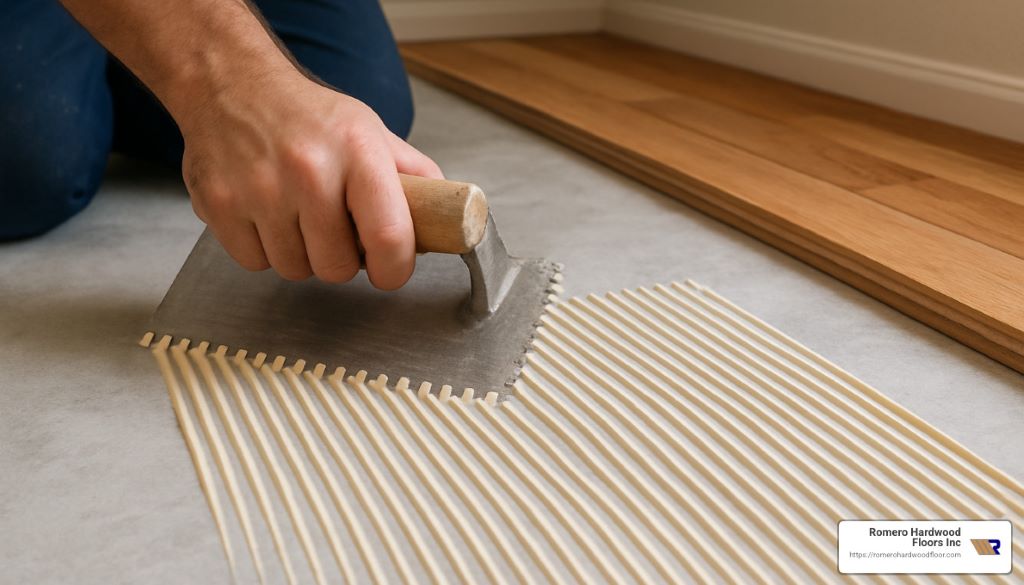
- Moisture barriers and proper adhesive: High-quality urethane adhesives and moisture barriers can reduce risks.
- Professional installation: If done by experienced professionals who understand the risks and prep requirements.
For most residential applications, especially over wood subfloors, nailing is the best method for solid wood.
If you’re installing over concrete and want to glue, consider using engineered hardwood instead—it’s designed for that.