
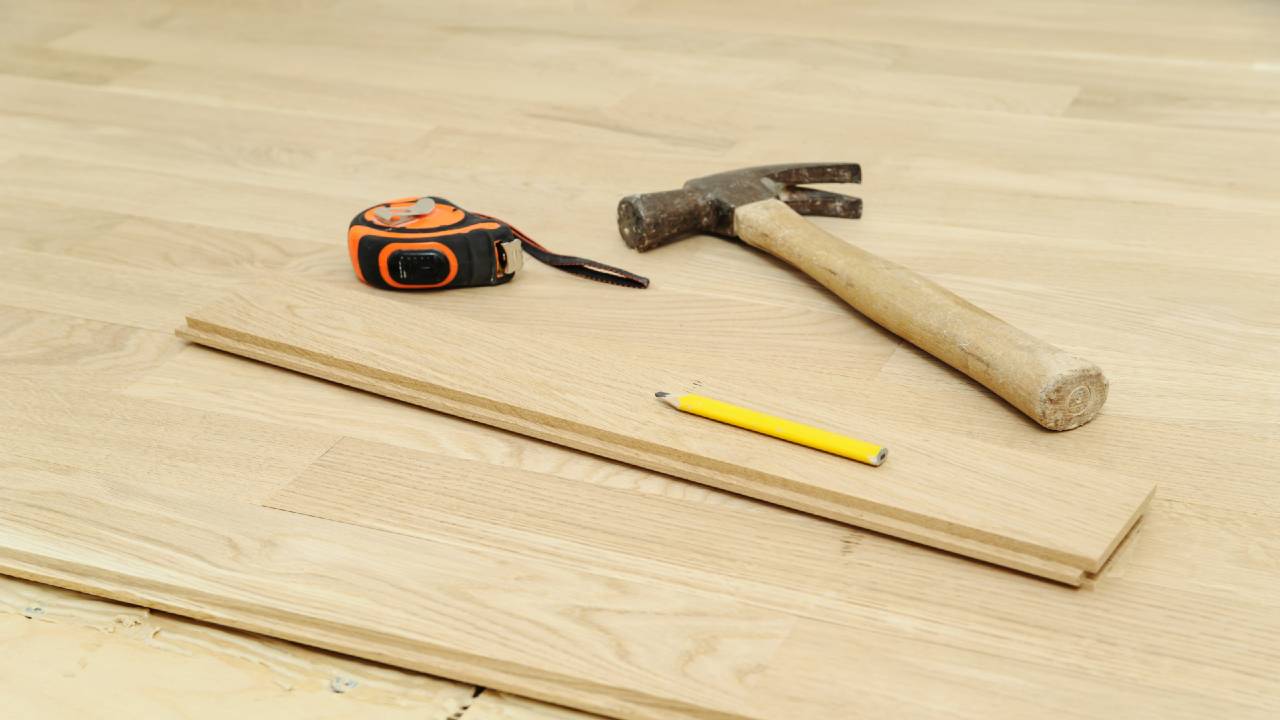
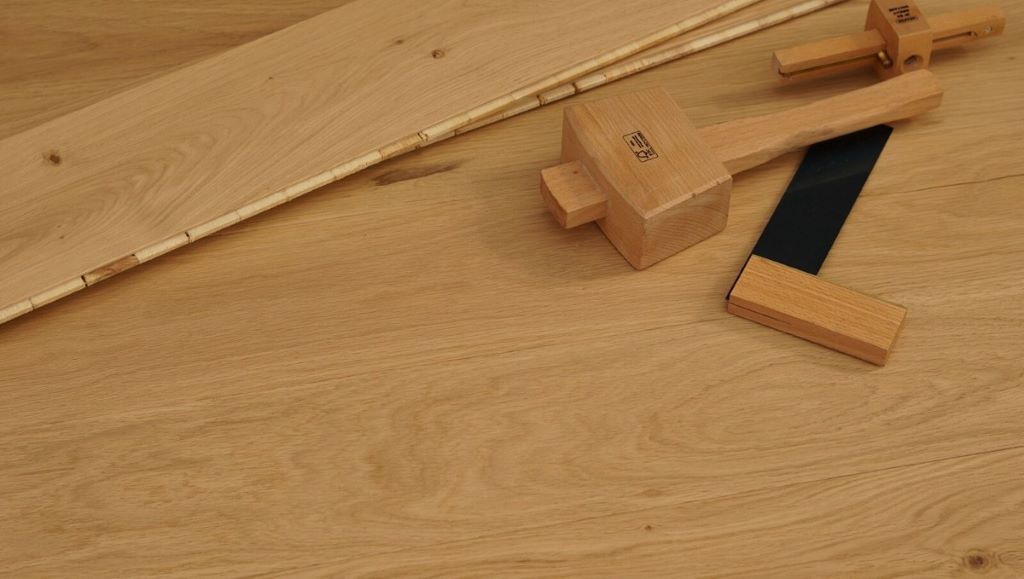
A wood‑flooring mallet (or flooring mallet) is a specialized hammer used to tap and secure flooring pieces—like tongue‑and‑groove planks—without causing surface damage. It often combines a soft, non‑marring cap with a heavier striking head (sometimes made of iron) and typically features a comfortable wood handle. These mallets are designed to deliver controlled force, ideal for precise, damage‑free installation. In some models, the head is replaceable or offers dual faces for versatility.
Why Use It?
While it’s common to use a
Many manufacturers warn that striking engineered hardwood directly with a rubber mallet can burn the finish or mark the surface, potentially causing irreparable damage.
Instead, they recommend always using a tapping block to distribute force and protect the flooring finish.
In short: the proper procedure is to tap via a block—not hit the plank directly, to preserve both the finish and integrity of the flooring.

Why the Mallet Is an Essential Tool
The mallet is an essential tool in wood floor installation because it plays a critical role in safely and effectively securing floorboards—especially when working with tongue-and-groove or click-lock systems. Here’s why it’s indispensable:
Controlled Impact Without Damage
- Woodworking and joinery
Wooden mallets deliver controlled force, perfect for striking chisels and fitting joints like dovetails or mortise-and-tenon without denting tools or splitting wood - Metal and delicate work
Softer materials like rawhide, copper, brass, or plastic are used in special mallets to reshape metal, fit machinery, or work with leather without damage - Comfort & Ergonomics Mallets minimize vibrations and wrist strain, cutting fatigue during extended use—crucial when working with precision Proper weight distribution (often ~70% in the head) aids control and comfort, potentially reducing wrist strain by up to 40%
- Versatility Across Tasks
- Joinery & carving
Essential for assembling furniture, driving dowels, and carving with delicate control
Enables Tight, Gap-Free Installation
- Flooring must be installed with minimal or no gaps between planks.
- A mallet is used with a tapping block or flooring nailer to close small gaps that can lead to structural and aesthetic issues.
Works with Flooring Nailers and Staplers
- In nail-down installations, a mallet is essential for activating a manual or pneumatic flooring nailer.
- The mallet strikes the nailer’s actuating mechanism, which then drives the fastener at the correct angle into the board’s tongue.
Maintains Floor Integrity
- Using a proper mallet prevents damage to the tongue, groove, or finish of hardwood or engineered planks.
- Damage during installation can lead to loose boards, creaks, or voided warranties.
Conclusion
The wood floor mallet is more than just a hammer—it’s a precision tool essential for achieving a professional, damage-free floor installation. Whether you’re securing boards with a flooring nailer or closing tight seams with a tapping block, the mallet delivers controlled, non-damaging force that preserves the integrity and appearance of your wood flooring.
Its thoughtful design—rubber face, ergonomic handle, and durable construction—makes it indispensable for both DIYers and professionals. Skipping this tool can lead to costly mistakes like gapped boards, surface damage, or misaligned planks.