

In wood floor manufacturing, residuals refer to the by-products or waste materials generated during the production process. These can arise at various stages, from raw material preparation to final product finishing. Here’s a breakdown of common residuals in wood floor manufacturing:
Types of Residuals
Wood Residuals:
- Sawdust – Generated from cutting, sanding, and shaping wood.
- Wood shavings – Produced during planing or milling.
- Trim ends / cut-offs – Short, unusable pieces trimmed during sizing.
- Wood chips – From chipping off bark or knots.
- Defective boards – Rejected due to warping, knots, cracks, etc.
Finishing Residuals:
- Sanding dust – From surface preparation before coating.
- Varnish/lacquer overspray – Excess finishing products not applied to wood.
- Used solvents or cleaning agents – From cleaning tools and equipment.
- Spent filters and rags – Used in applying or wiping off finishes.
Packaging Residuals:
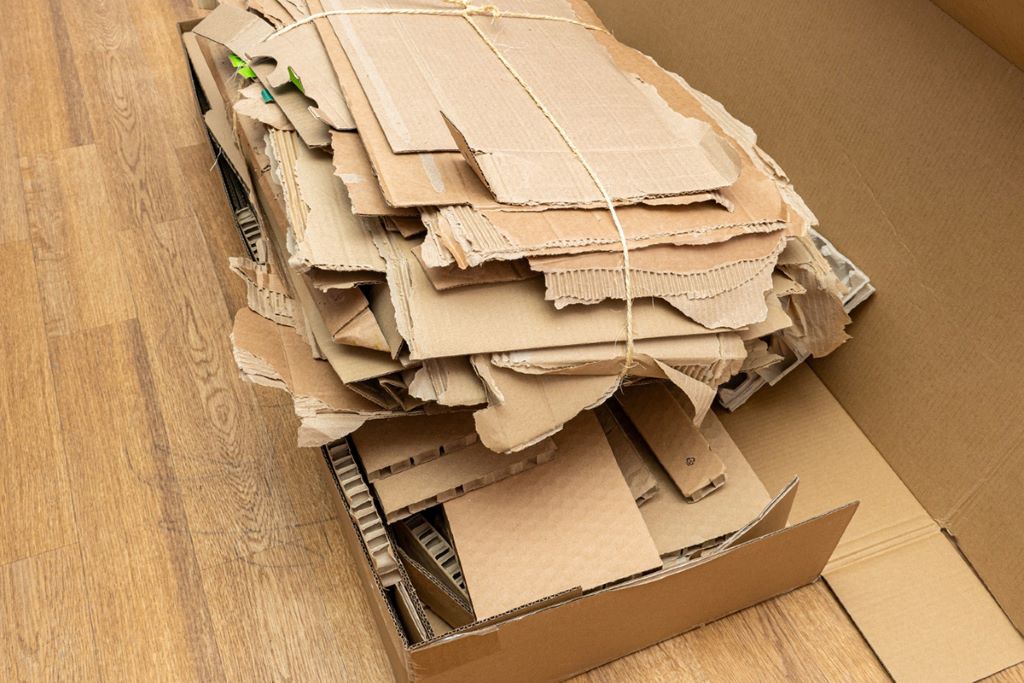
- Cardboard scraps
- Plastic wrap
- Strapping materials
Other Manufacturing Residuals:
- Metal fasteners or staples – Sometimes used in temporary holding.
- Broken tools or machine parts – Occasionally need disposal or recycling.
Sustainability & Circular Economy
https://renovaflooring.com/blog/the-next-evolution-of-sustainable-floor-renovation/Many manufacturers aim for zero-waste production, meaning all residuals are reused, sold, or converted into energy.
- Closed-loop systems: Using residuals to power kilns or plants.
- Partnering with other industries: Paper mills, pellet producers, or animal bedding suppliers.
Wood floor manufacturers often aim to minimize waste and recycle residuals wherever possible:
- Sawdust and shavings: Can be used for particleboard, fuel (biomass), or animal bedding.
- Wood scraps: Often reprocessed into smaller flooring products or sold as firewood.
- Solvents and finishes: Need to be disposed of according to environmental regulations; some can be recycled.
- Packaging materials: May be recyclable or reused internally.
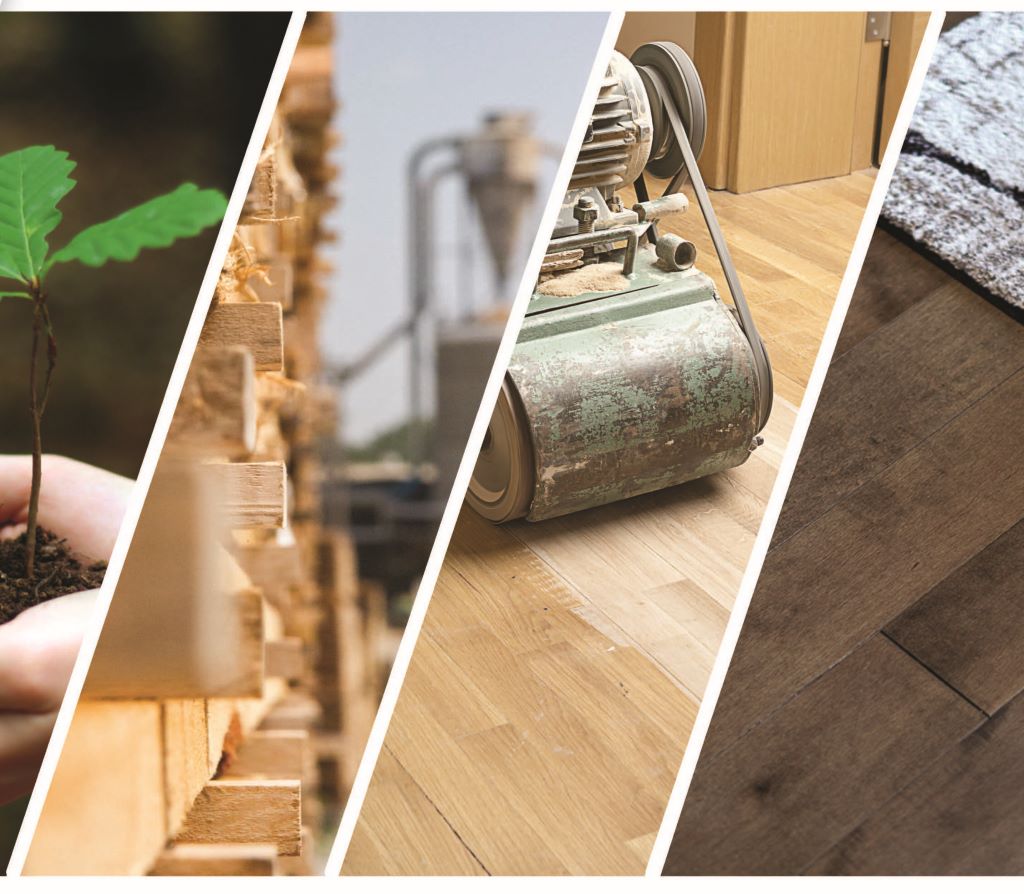
Residuals are an inevitable part of the wood floor manufacturing process, arising from raw material processing, production, finishing, and packaging. These by-products—such as sawdust, wood scraps, and chemical waste—must be carefully managed to minimize environmental impact and maximize resource efficiency.
By implementing sustainable practices such as recycling wood waste into biomass energy or secondary products, properly disposing of chemical residues, and reducing packaging waste, manufacturers can significantly reduce their ecological footprint. Effective residuals management not only supports environmental compliance and corporate responsibility but also enhances operational efficiency and cost-effectiveness in the long term.