Top Stair Railing Trends: Wood, Wrought Iron, or Glass?
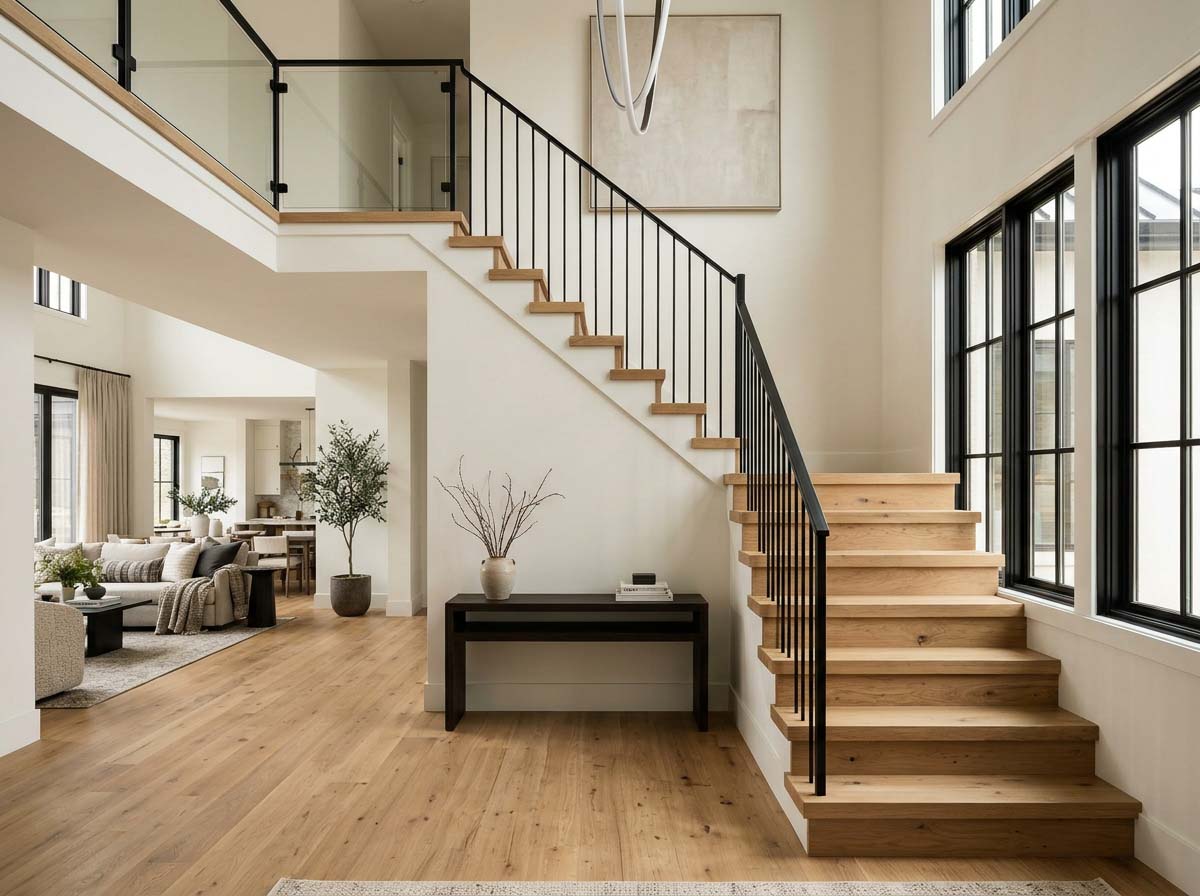
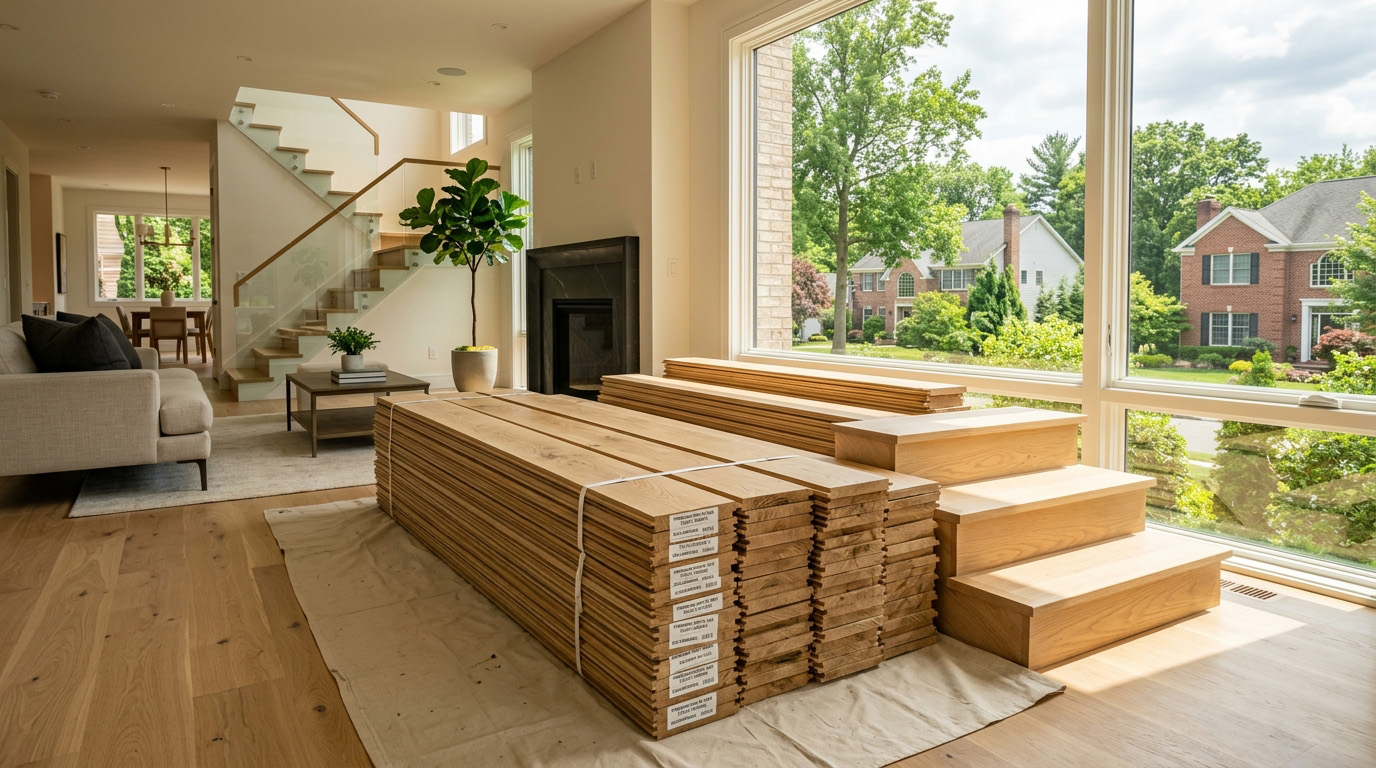
A staircase is more than a functional connection between floors. It can become a defining architectural feature that shapes the style, atmosphere, and overall value of a home. One of the most important decisions when updating a staircase is choosing the right railing material. Today, homeowners are exploring a range of options, from the warmth of traditional wood to the timeless elegance of wrought iron and the clean, modern appearance of glass. Each material offers distinct advantages in terms of aesthetics, maintenance, durability, and cost. So, which stair railing trend is right for your home: wood, wrought iron, or glass? The answer depends on your interior design preferences, the existing staircase structure, your budget, and the level of maintenance you’re comfortable with. In this guide, we’ll compare these three popular railing options to help you make an informed decision for your next staircase renovation. 1. Wood Stair Railings: Timeless Warmth and Versatility Wood remains a popular choice for stair railings because of its natural beauty, versatility, and ability to complement a wide range of interior styles. From classic oak staircases to minimalist designs featuring clean wooden lines, this material offers plenty of customization options. Why Wood Railings Are Trending Current design preferences often emphasize natural materials, warm tones, and finishes that highlight the grain of the wood. Oak, maple, walnut, and other hardwoods can bring texture and character to a staircase without overwhelming the surrounding space. Popular wood railing styles include: Advantages of Wood Railings Potential Drawbacks Wood requires periodic maintenance to preserve its finish. Scratches, dents, and fading may occur over time, especially in high-traffic areas. Wood can also expand and contract as humidity changes, making proper material selection and installation important. Best for: Homeowners who want a classic, welcoming staircase with plenty of customization options. 2. Wrought Iron Stair Railings: Strength and Architectural Character Wrought iron and other decorative metal railing systems are popular for their durability, visual contrast, and ability to add architectural interest. While intricate ironwork remains a classic option, simpler black metal balusters are especially versatile in modern and transitional interiors. Why Metal Railings Are Trending Black metal railings create a strong visual outline against light-colored walls, white oak treads, and neutral interiors. More elaborate designs can introduce curves, scrollwork, and decorative details, while straight vertical balusters provide a cleaner, more contemporary appearance. Popular styles include: Advantages of Wrought Iron Railings Potential Drawbacks Metal railings can cost more when custom fabrication or intricate designs are involved. Painted finishes may chip, and exposed metal can corrode if its protective coating is damaged and moisture is present. Installation also requires secure connections to the staircase structure. Best for: Homeowners looking for a durable railing with strong visual definition and a sophisticated architectural style. 3. Glass Stair Railings: Modern, Open, and Minimalist Glass stair railings are a popular option for homeowners who want to create a bright, open, and contemporary interior. By reducing visual obstructions, glass panels allow natural light to travel through the staircase and help smaller spaces feel more expansive. Why Glass Railings Are Trending Modern residential design often prioritizes clean lines, open layouts, and minimal visual clutter. Glass fits these preferences particularly well, especially when paired with hardwood stair treads, floating stairs, or slim metal hardware. Popular glass railing styles include: Advantages of Glass Railings Potential Drawbacks Glass railings generally require frequent cleaning because fingerprints, dust, and smudges are easy to see. Specialized glass panels and hardware can also increase installation costs. Damaged panels must be evaluated and replaced according to the manufacturer’s requirements rather than repaired like wood. Best for: Homeowners who want a contemporary staircase that maximizes light and emphasizes clean architectural lines. 4. Wood vs. Wrought Iron vs. Glass: Which Is Best? Each railing material offers a different balance of style, maintenance, and cost. The best choice depends on your priorities and the conditions of your home. Feature Wood Wrought iron / metal Glass Overall style Warm and timeless Classic or bold Modern and minimalist Design flexibility High High Moderate to high Routine maintenance Periodic finish care Finish and corrosion checks Frequent cleaning Natural light Partially obstructed Partially obstructed Maximized Typical cost Low to high … Read more