
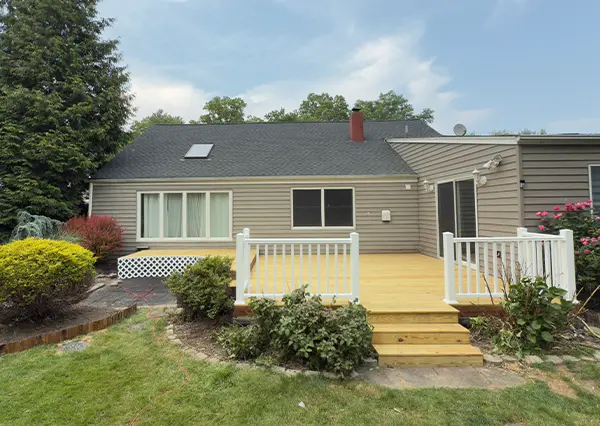
At first glance, a deck with fading boards or minor surface cracks may appear to be nothing more than an aesthetic issue. In reality, soft spots and spongy boards are often early warnings of advanced wood rot a condition that can quietly compromise the structural integrity of your deck long before visible failure occurs.
Wood rot is one of the leading causes of deck collapse, and it frequently develops out of sight. Understanding how to identify it early is critical for safety, longevity, and cost control.
What Causes Wood Rot in Decks?
Wood rot occurs when moisture, oxygen, and organic material combine to create an ideal environment for fungi. Decks are particularly vulnerable because they are constantly exposed to:
- Rain and humidity
- Temperature fluctuations
- Poor drainage or ventilation
- Inadequate sealing or aging finishes
Once moisture penetrates the wood fibers, decay can spread internally even if the surface still appears intact.
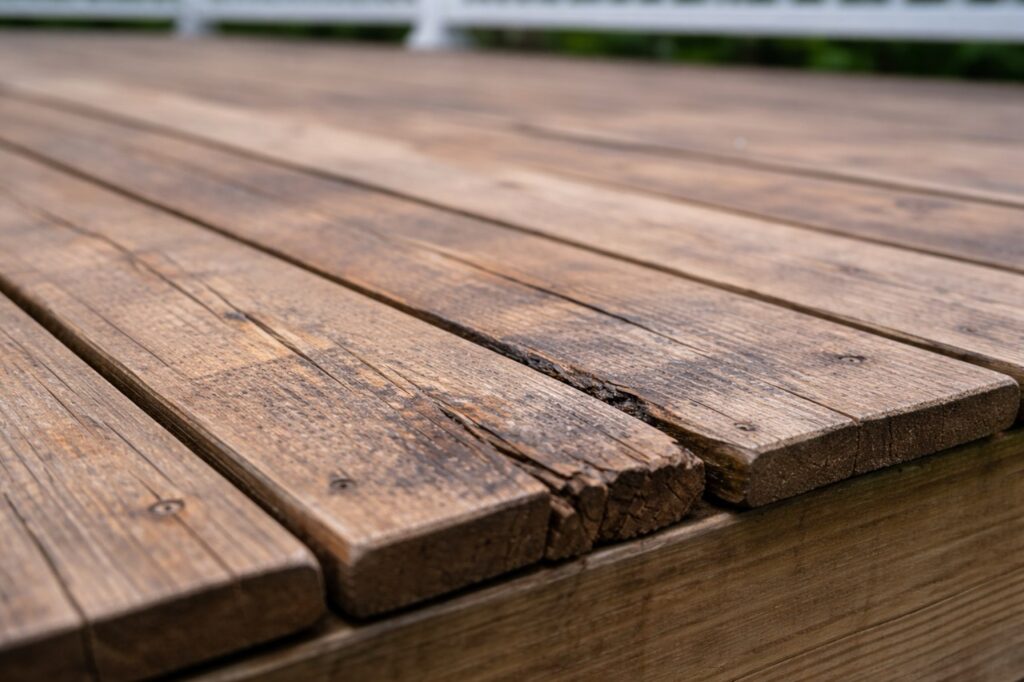
Why Painting a Deck Is Often a Short-Term Mistake
In many cases, homeowners turn to paint as a quick solution to refresh an aging deck. While paint may improve appearance initially, it can unintentionally accelerate wood rot when used improperly.
Common issues with painting decks include:
- Paint creates a surface film that prevents wood from breathing, limiting natural moisture evaporation
- Trapped moisture accelerates internal rot, especially in older or pressure-treated lumber
- Paint often hides early warning signs such as soft spots, discoloration, or surface deterioration
- Once paint begins to fail, it typically fails across large sections, not just isolated areas
- Removing paint later is labor-intensive and costly, particularly when rot is already present
For these reasons, paint is often a short-term cosmetic fix rather than a long-term structural solution, especially when moisture management is not addressed.
What Are Soft Spots and Why They Matter
A “soft spot” refers to an area of decking that compresses under pressure or feels unstable when walked on. This spongy sensation is a strong indicator that the internal wood fibers have deteriorated.
Why this is dangerous:
- The board has lost load-bearing capacity
- Damage often extends beyond what is visible
- Failure can occur suddenly under concentrated weight
Soft spots are not cosmetic defects they are structural warnings.
Common Areas Where Rot Starts
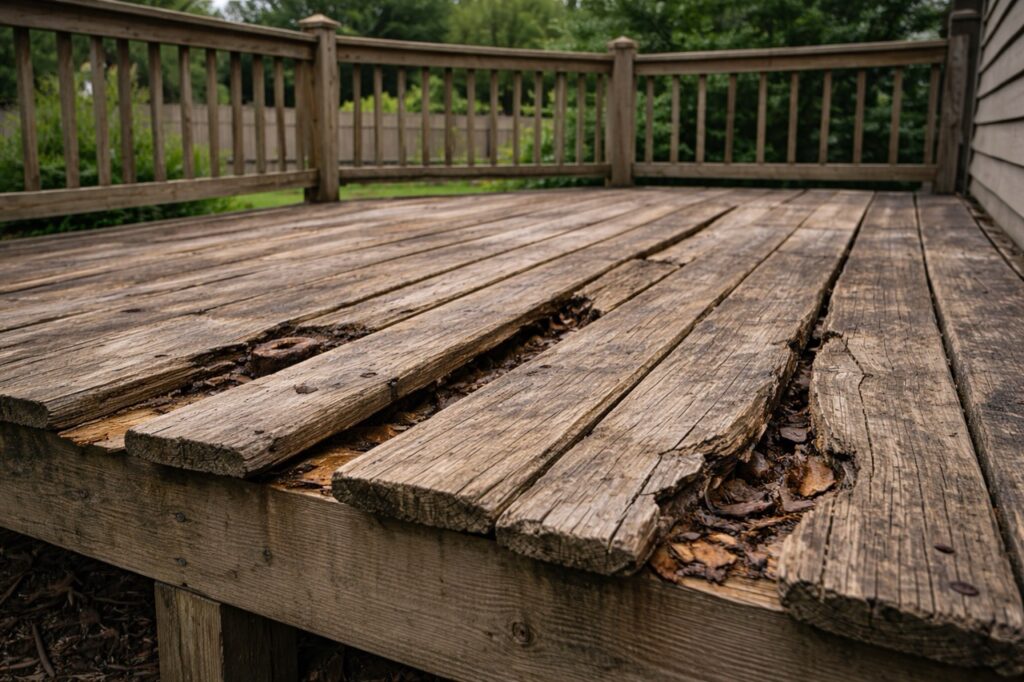
Wood rot rarely appears randomly. It typically develops in predictable, high-risk locations:
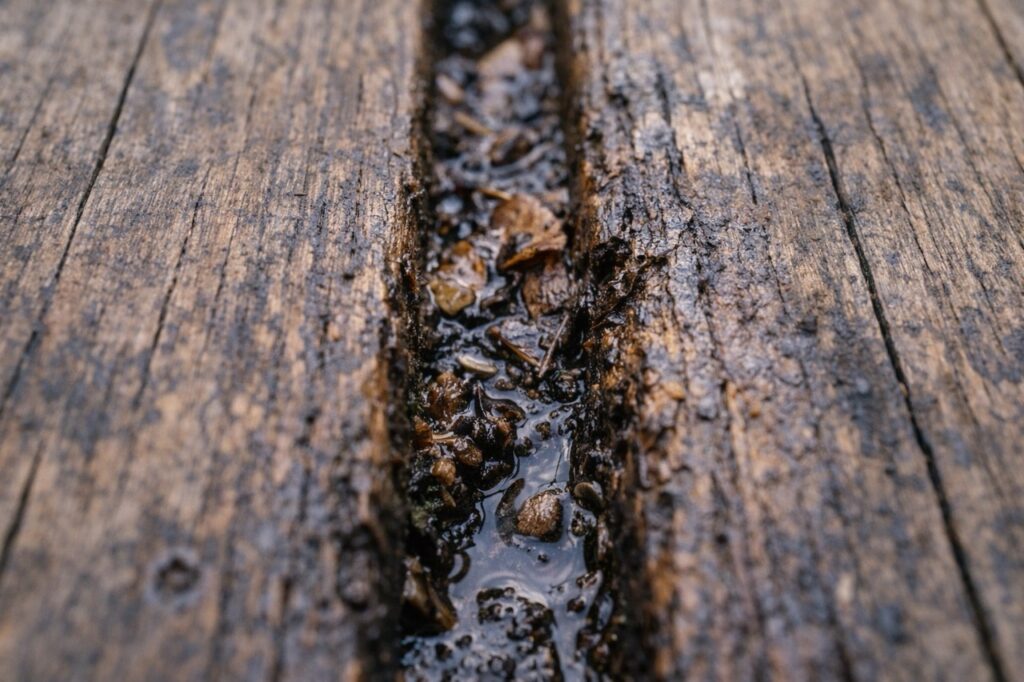
- Between deck boards where water is trapped
- Around fasteners and screw holes
- Near ledger boards and house connections
- In shaded areas with limited airflow
- Over joists where moisture accumulates
These zones should always be prioritized during inspections.
How to Detect Wood Rot Early
Early detection can prevent full board replacement or structural reinforcement. A basic inspection should include:
1. The Pressure Test
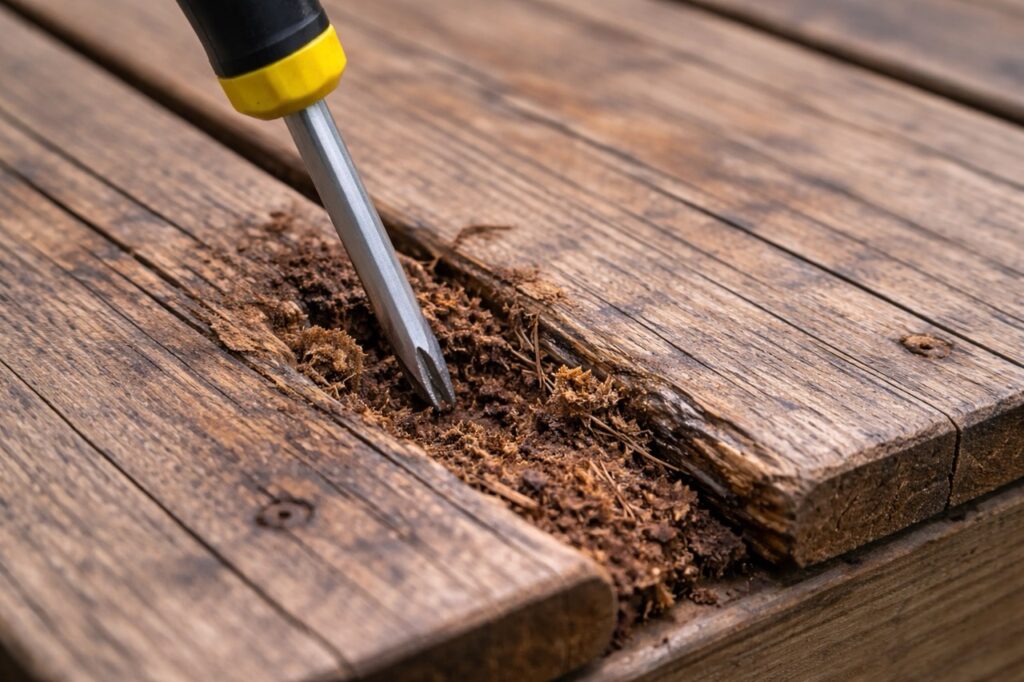
Apply firm pressure with your foot or a screwdriver. Sound wood will resist; rotted wood will compress or crumble.
2. Visual Indicators
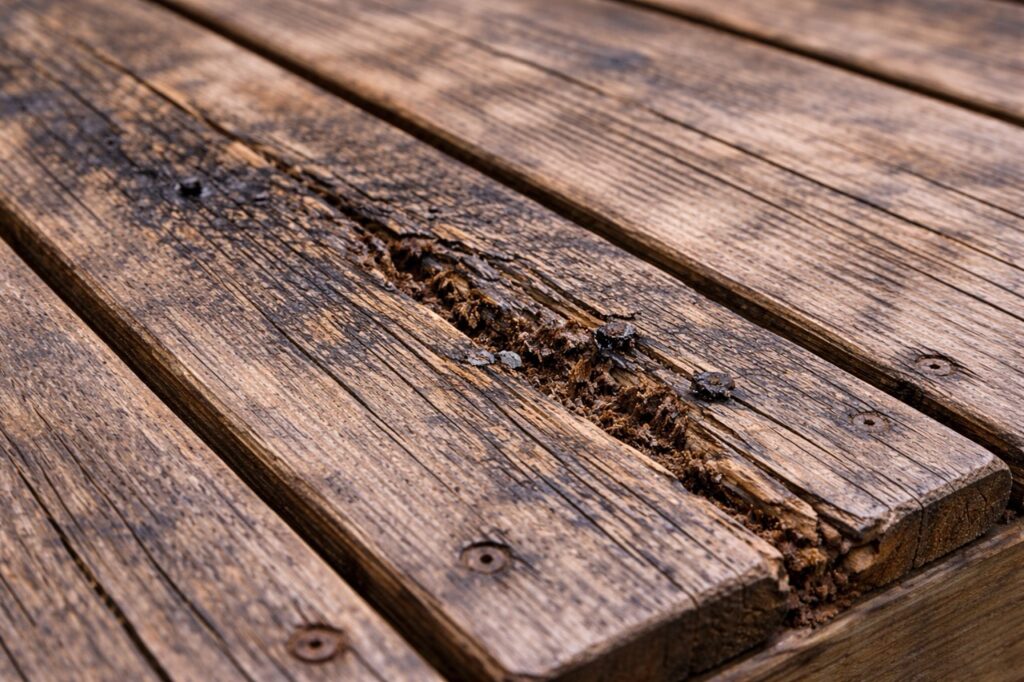
Look for discoloration, dark staining, cracking, splintering, or fungal growth. Uneven board surfaces may also signal internal decay.
3. Sound Test
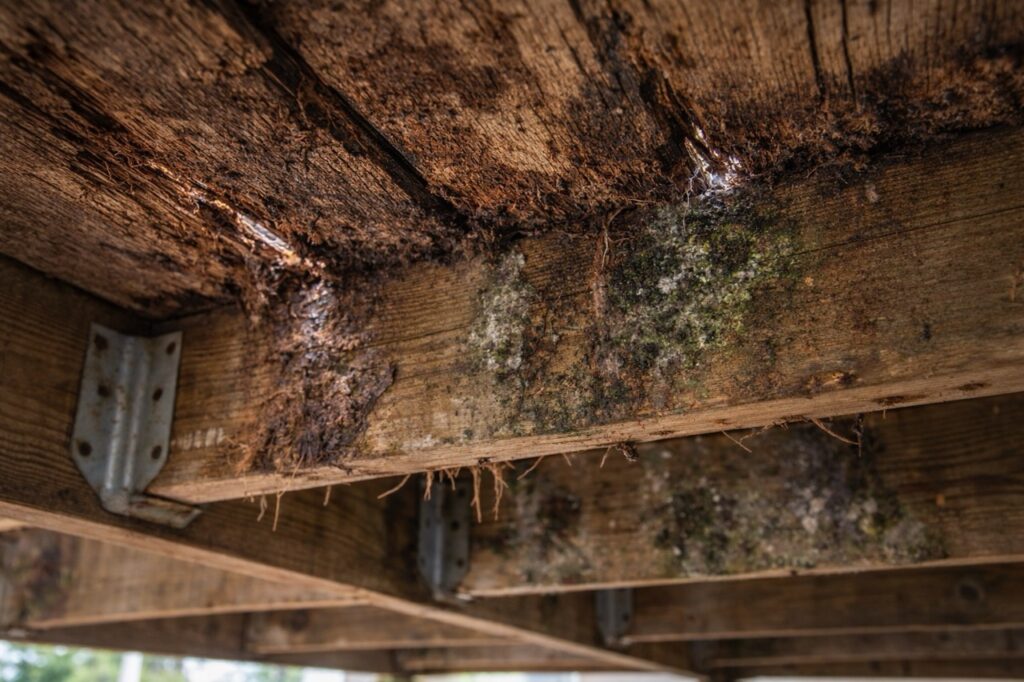
Tap boards lightly with a tool. Solid wood produces a sharp sound, while rotted wood sounds dull or hollow.
4. Underside Inspection
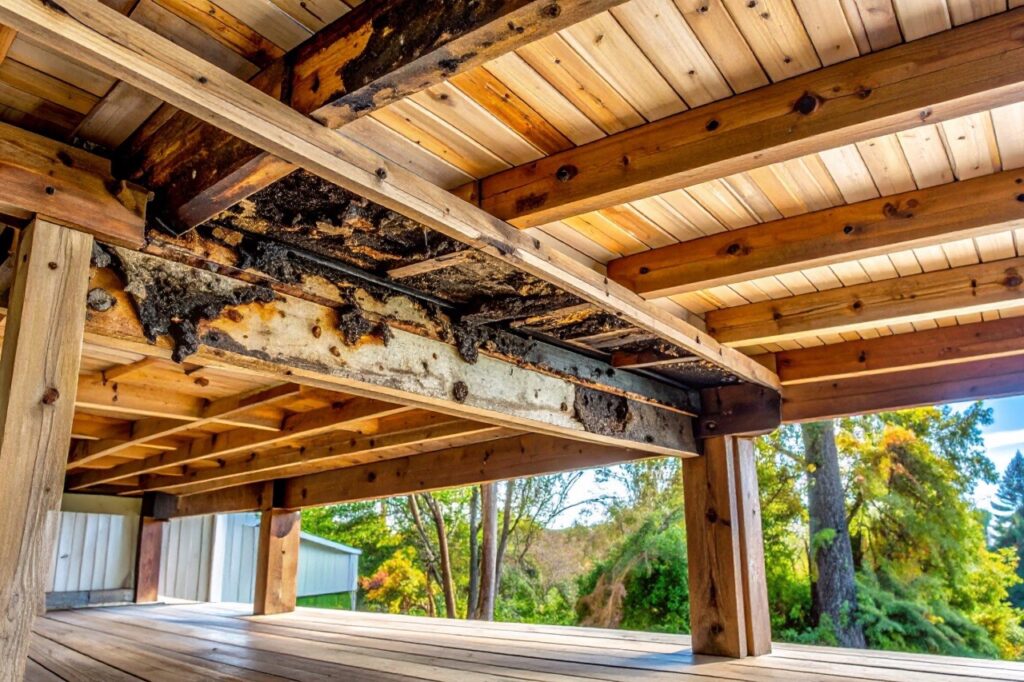
If accessible, inspect the underside of the deck. Rot often progresses from the bottom up and may be invisible from above.
Why Surface Repairs Are Not Enough
Sanding, staining, or sealing over soft boards does not resolve rot. These measures can temporarily mask the problem while decay continues unchecked beneath the surface.
In many cases, by the time soft spots are noticeable, the rot has already affected adjacent boards or joists. Structural assessment not cosmetic repair is required.
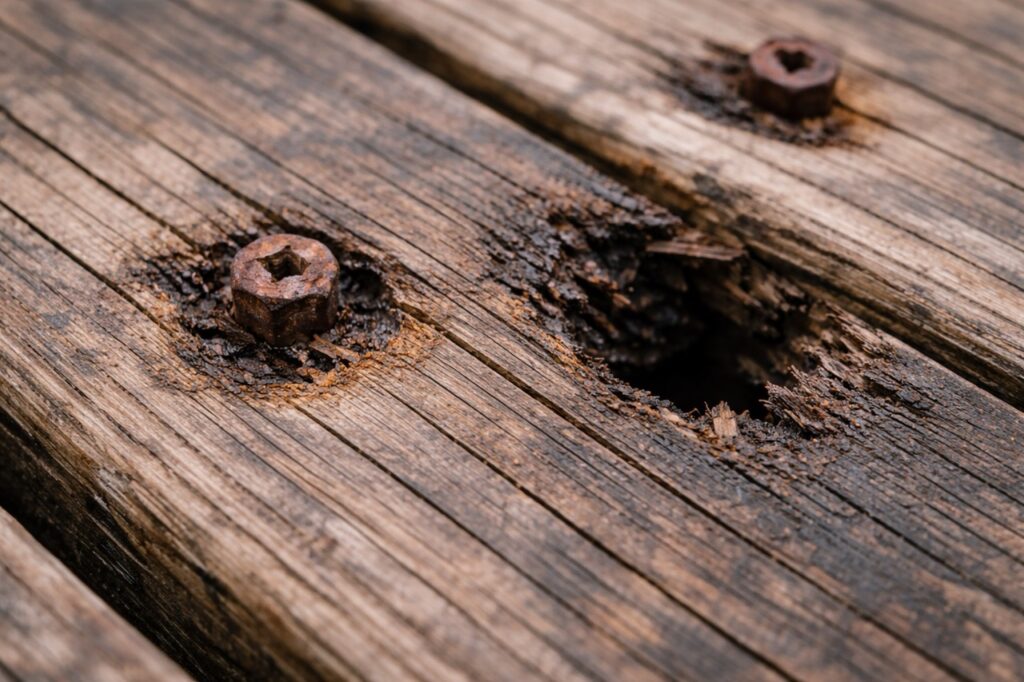
When Wood Rot Becomes a Collapse Risk
A single soft board may not cause immediate failure, but widespread rot significantly increases collapse risk, especially during:
- Gatherings with multiple occupants
- Placement of heavy furniture or grills
- Sudden dynamic loads (jumping, shifting weight)
Deck collapses often occur without warning when cumulative damage reaches a critical threshold.
Liability and Insurance Considerations in the U.S.
In the United States, deck failures can carry serious liability implications. If an injury occurs and an investigation reveals neglected rot or unresolved structural issues, homeowners may face:
- Denied or reduced insurance claims
- Personal liability for injuries or property damage
- Increased scrutiny during home sales or inspections
Routine maintenance and documented professional evaluations can play an important role in protecting both safety and insurance coverage.
Professional Inspection and Corrective Action
A qualified deck or structural inspector can:
- Identify hidden rot using probing and moisture testing
- Determine whether boards, joists, or beams are compromised
- Recommend targeted repairs or full board replacement
- Verify load capacity and code compliance
Early intervention is substantially less expensive than post-failure reconstruction and far safer.
Final Thoughts
Soft spots and spongy boards are not minor inconveniences; they are early indicators of potentially fatal structural decay. If your deck feels unstable underfoot, the safest assumption is that the problem extends beyond the surface.
Routine inspections, prompt repairs, and professional evaluation are the most effective ways to prevent wood rot from turning into a catastrophic deck collapse. When it comes to deck safety, delayed action is the greatest risk.
Visit our website for more inspiration and design ideas!