
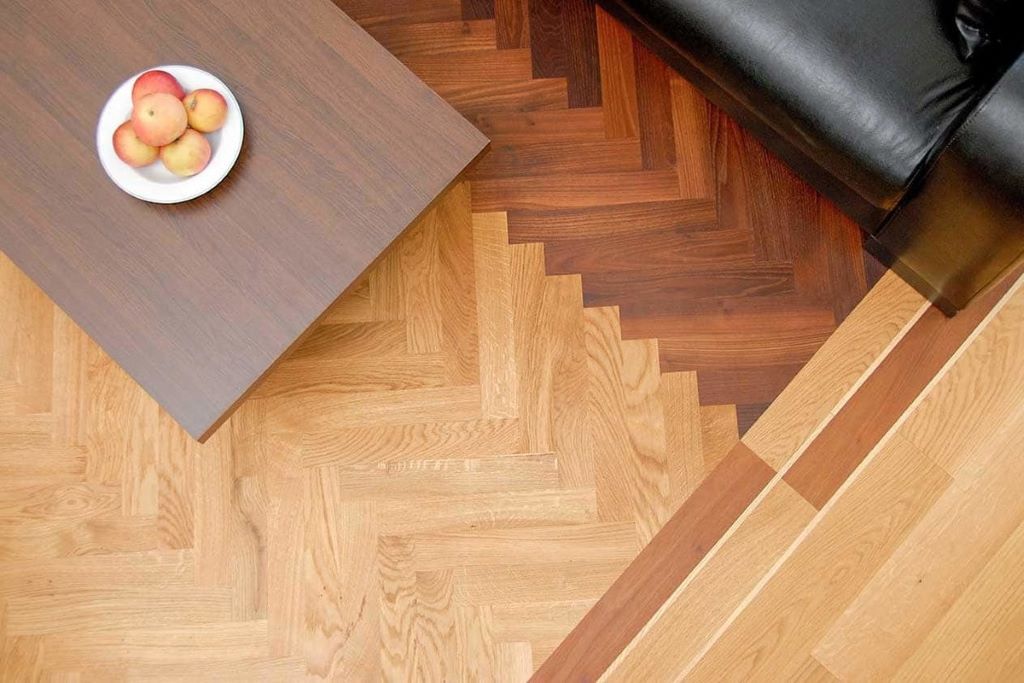
Mastering the match” in wood flooring refers to the art and skill of seamlessly blending and aligning wood pieces—whether during installation, repair, or extension of an existing floor—so the final result looks consistent, intentional, and high-end. It’s especially critical when trying to make new wood match old wood, or when combining different batches, grades, or species.
Here’s a breakdown of the key aspects of mastering the match in wood flooring:
Matching Wood Species
Each wood species has unique grain patterns, tones, and hardness:
- Oak (Red/White) – Most common in traditional floors.
- Maple – Subtle grain, light color.
- Walnut – Dark, rich tones.
- Pine – Softer, rustic.
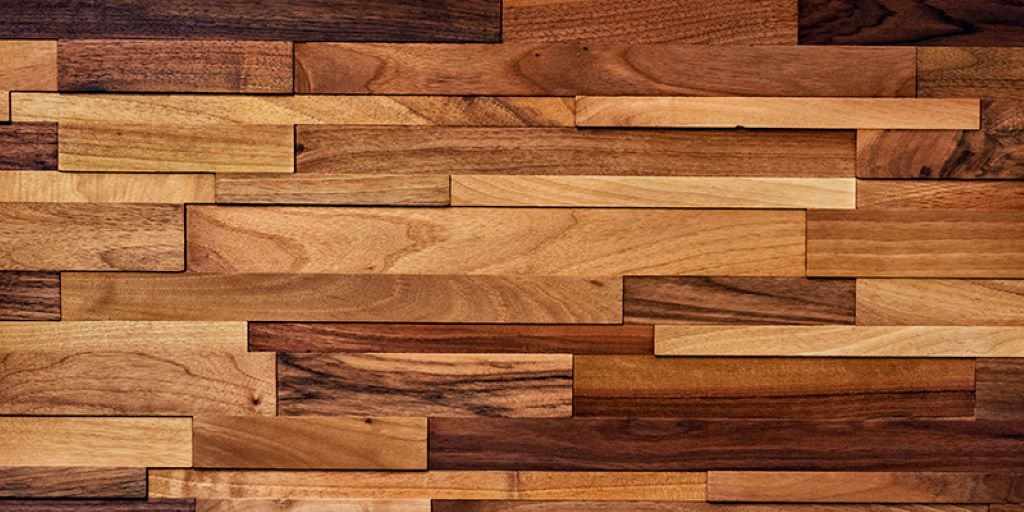
Color Matching (Stain and Aging)
- Natural aging/patina
- Sunlight exposure
- Original stain or finish
To match color:
- Use custom stain mixing
- Perform test samples on scrap wood
- Consider toners or dyes for subtle shifts
- Mimic aging with chemical treatments (e.g., ammonia fuming for oak)
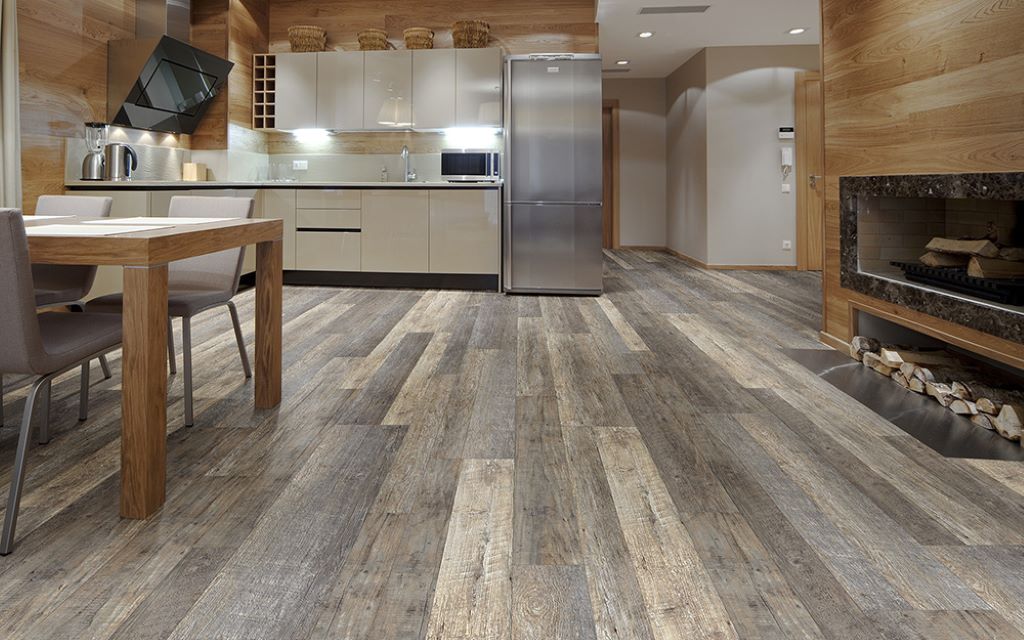
Grain and Cut Matching
Different cuts of wood (plain sawn, rift sawn, quarter sawn) produce different grain patterns.
Matching includes:
- Aligning similar grain orientation
- Avoiding stark contrast between boards
- Using select grades with consistent grain
Dimension Matching
This includes:
- Board width and thickness
- Tongue and groove compatibility
- Milling profile (bevels, edges)
Installation Techniques
- Use feathering or weaving to blend new boards into existing layout
- Avoid abrupt transitions
- Pay attention to direction of run, especially in repairs or additions
Sanding & Finishing
- Sand entire area for uniform smoothness
- Use progressive grit sequences (36–100+)
- Apply finish in thin, even coats
Conclusion:Mastering the match is more than a technical task—it’s a craft. Whether you’re repairing a small section, adding to an existing floor, or restoring a historical space, your ability to seamlessly blend old and new wood defines the quality and professionalism of the job.
It requires a thoughtful balance of:
- Knowledge (of wood species, stains, and finishes)
- Skill (in installation, sanding, and blending)
- Artistic judgment (in grain selection, tone matching, and visual continuity)
When done right, the transition between old and new becomes invisible—the entire floor tells a consistent story, with no jarring changes or obvious repairs. That’s the true mark of a flooring expert.