
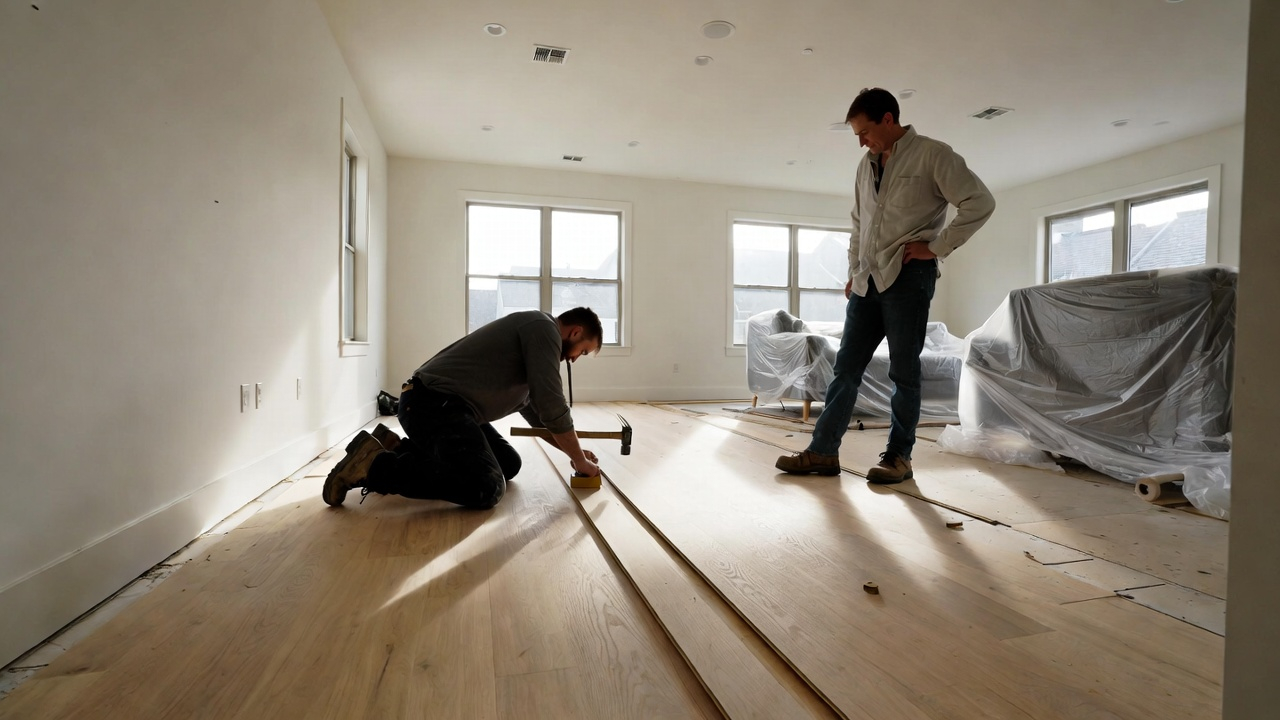
Hiring a flooring installer isn’t just about who gives you the lowest estimate.
In a state like New Jersey, where humidity swings, older housing stock, and strict building standards all collide, a bad install doesn’t just look sloppy. It fails.
And when hardwood fails, you don’t get a small repair.
You get cupping, gaps, callbacks, legal headaches, and thousands in corrections.
If you’re serious about protecting your investment, here are 5 red flags you should never ignore when hiring a flooring installer in New Jersey.
1- They Don’t Talk About Moisture Testing
This is the biggest one.
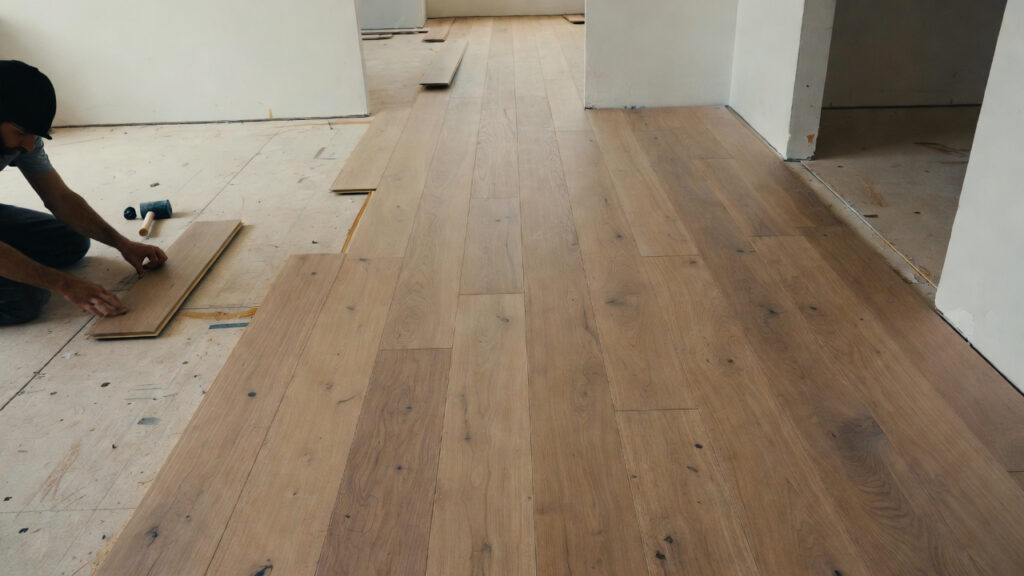
If a hardwood flooring contractor in NJ walks into your home and immediately starts measuring rooms but never pulls out a moisture meter, that’s a problem.
In New Jersey homes, especially in areas like Rumson, Red Bank, Middletown, and Holmdel, flooring failures are often caused by moisture and seasonal expansion.
A professional installer should:
• Test subfloor moisture
• Test hardwood moisture content
• Discuss acclimation time (not guess it)
If you hear “we’ve been doing this 20 years, we don’t need that,” walk away.
Experience doesn’t override physics.
2- They Can’t Explain Their Installation Method
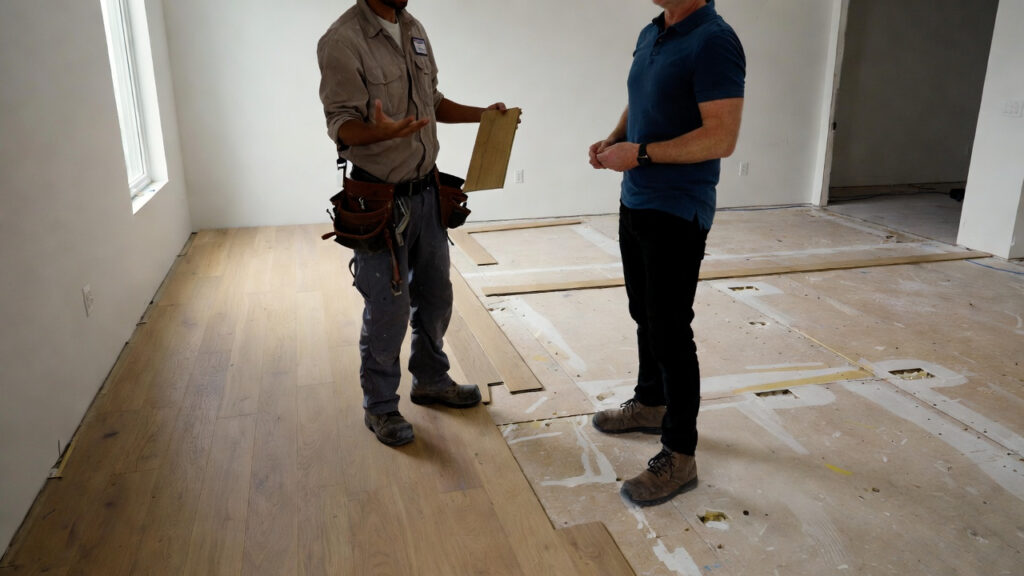
Glue-down? Nail-down? Floating?
Each method depends on:
• Subfloor type
• Flooring type
• Environmental conditions
If they say “this is just how we always do it,” that’s laziness, not expertise.
Many New Jersey homes have uneven or aging subfloors. That changes everything.
A professional hardwood flooring installer in New Jersey explains:
• Why they’re choosing that method
• What prep is required
• What could go wrong if skipped
Clarity = competence.
3- No Proof of Insurance or License
This is non-negotiable.
New Jersey requires home improvement contractors to be registered with the Division of Consumer Affairs.
If they:
• Avoid showing registration
• Can’t provide proof of liability insurance
• Brush off paperwork
You’re assuming all the risk.
And if damage happens? It’s on you.
4- The Estimate Is Vague (or Suspiciously Low)
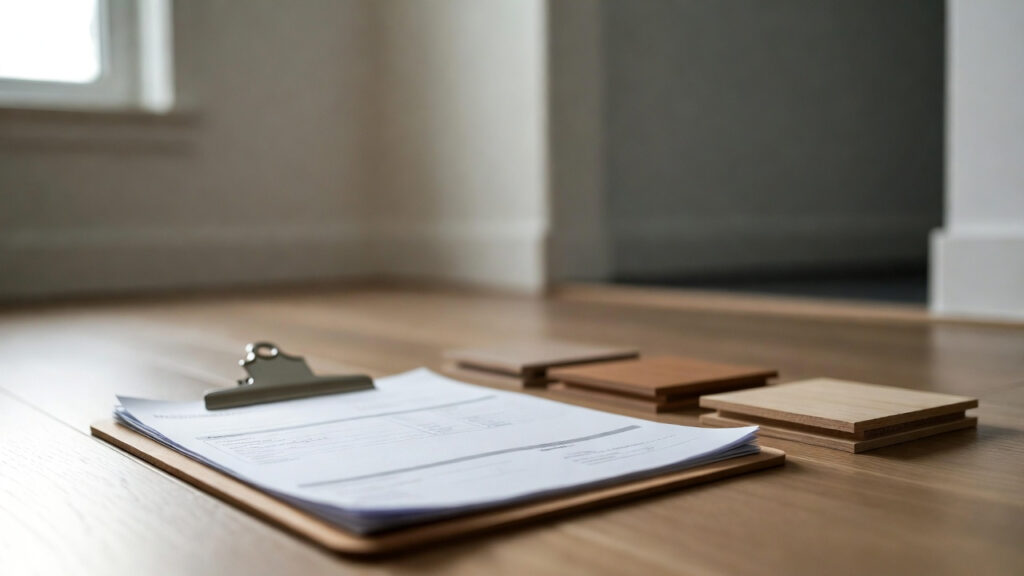
A professional flooring estimate should include:
• Material type and brand
• Installation method
• Subfloor prep details
• Timeline
• Warranty information
If it’s one line that says “Hardwood install – $4,500,” that’s not transparency.
Low bids often mean:
• Skipped prep
• No moisture barrier
• Unqualified labor
• Cheap fasteners
• No warranty
You don’t save money with the cheapest installer. You delay paying more later.
5- They Dismiss Acclimation Time
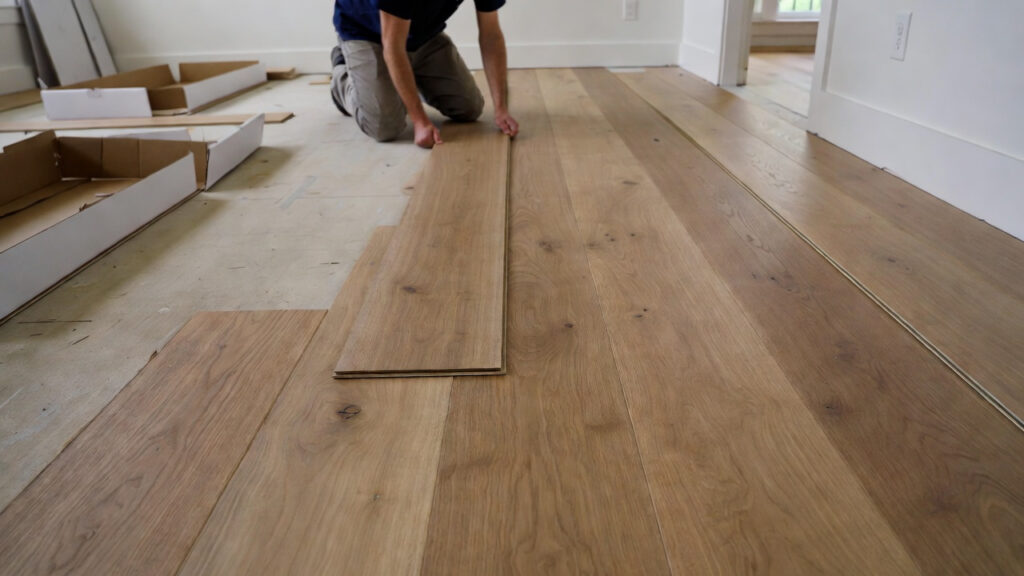
Hardwood needs time to adjust to indoor conditions before installation.
In a climate like New Jersey — where humidity fluctuates year-round — skipping acclimation leads to:
• Gaps in winter
• Cupping in summer
• Board movement
• Nail pops
If someone says:
“We can install it the day it arrives.”
That’s a red flag.
Fast isn’t impressive. Stable is.
Why This Matters More in New Jersey
New Jersey homes often combine:
• Older framing
• Basement moisture issues
• Tight layouts
• Seasonal climate swings
That combination punishes poor installation.
You don’t just want a contractor.
You want a hardwood flooring contractor in New Jersey who understands regional building behavior.
Final Thought
Bad flooring installers rarely look bad on day one. The floor usually looks great.
Problems show up 6–12 months later — when humidity shifts, when boards settle, when moisture rises.
By then, the installer is hard to reach.
The smartest move isn’t finding the cheapest quote.
It’s spotting red flags before the contract is signed.
Because the right installer protects your home.
The wrong one guarantees you’ll pay twice.
Need a Professional Flooring Installer in New Jersey?
If you’re planning to install or refinish hardwood floors in Monmouth County or nearby areas, our team at Renova Flooring can help.
We specialize in:
• Dustless hardwood floor refinishing
• Custom hardwood installation
• Subfloor preparation and moisture mitigation
• Premium finishes like Bona Traffic HD and oil-based polyurethane
Request a consultation:
renovaflooring.com
Visit our website for more inspiration and design ideas!