
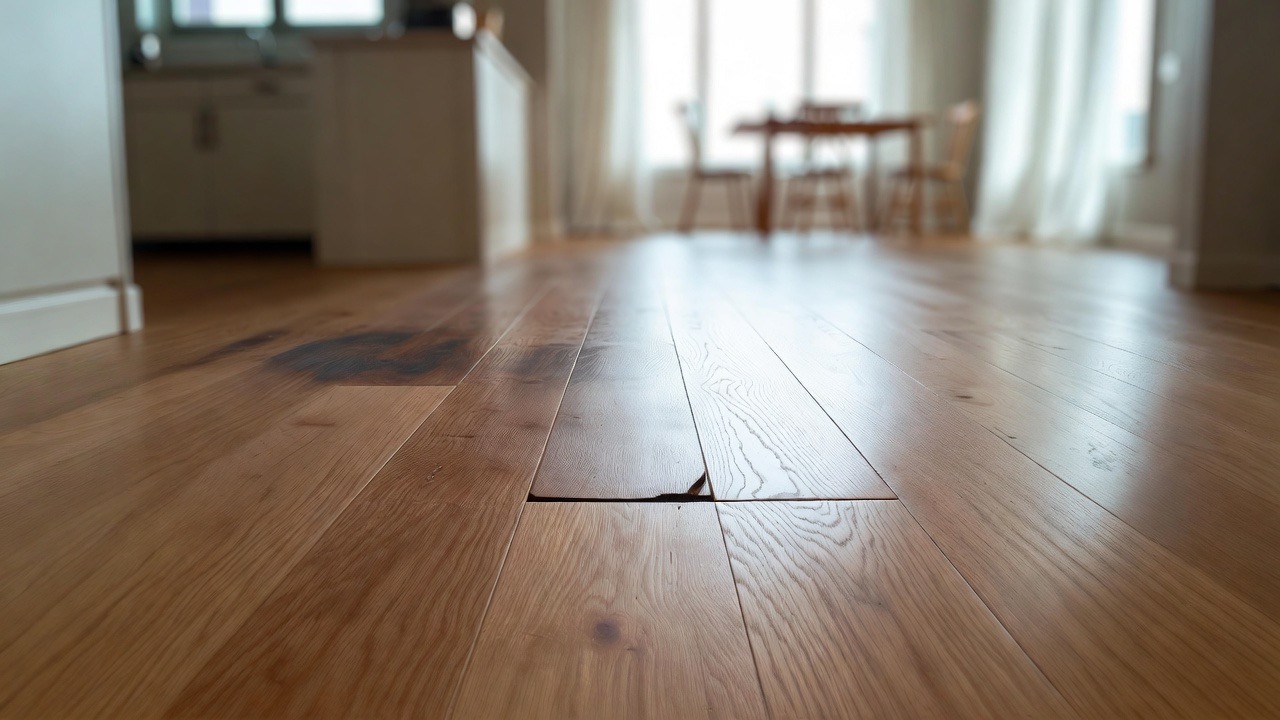
Hardwood flooring is one of the best long-term investments you can make in a home. It adds warmth, value, and durability. But here’s the truth: hardwood doesn’t fail overnight.
Problems build slowly and if you catch them early, you can save thousands in repairs and avoid full replacements.
If you’re starting to notice changes, these warning signs your hardwood floors need repair shouldn’t be ignored.
1. Gaps That Keep Growing
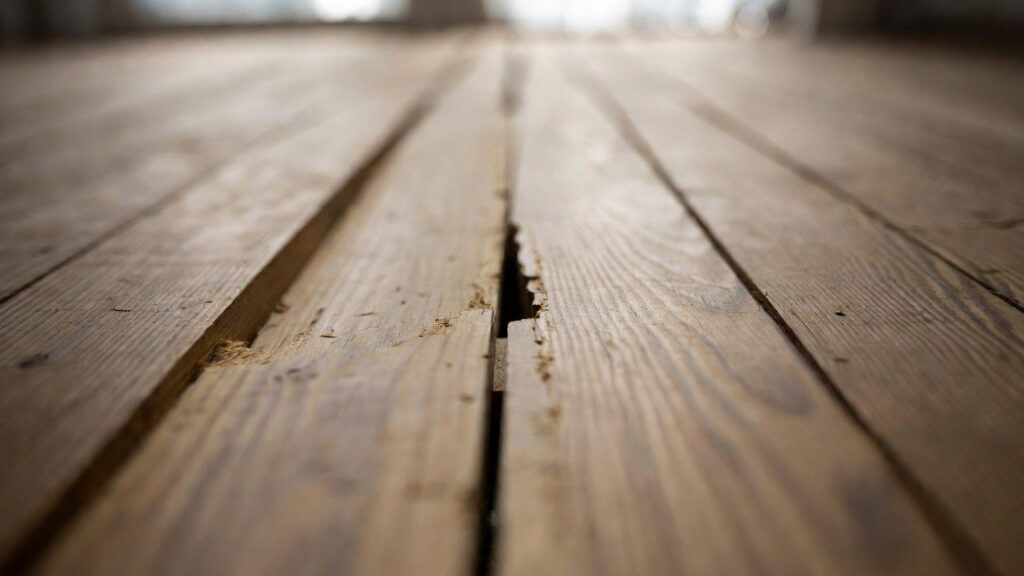
Seasonal gaps between boards are normal. Wood expands and contracts with humidity changes.
Red flag:
If gaps are widening over time, staying open year-round, or appearing in new areas, that’s not just seasonal movement.
It may indicate:
• Chronic low indoor humidity
• Subfloor movement
• Improper installation
What to do:
Measure indoor humidity (ideal range: 35–55%). If gaps continue to worsen, it’s one of the clearest signs your hardwood floors need repair.
2. Cupping or Crowning Boards
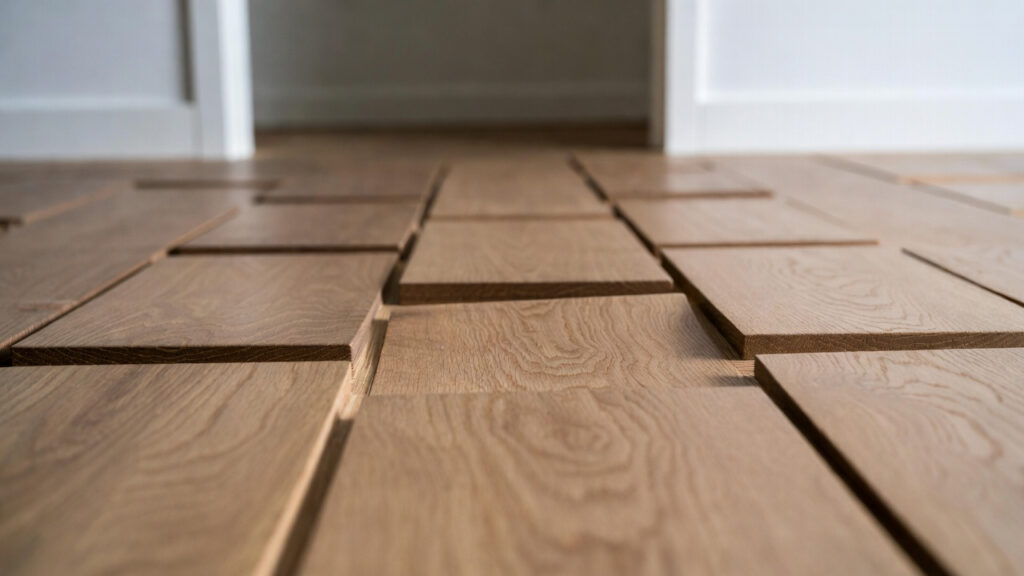
When boards start to look uneven — edges raised (cupping) or centers lifted (crowning) — moisture is usually the cause.
Common causes:
• Leaks under the floor
• Excessive humidity
• Wet mopping habits
• Basement moisture transfer
Moisture damage spreads. What starts as a cosmetic issue can quickly become structural.
In coastal New Jersey towns like Rumson, Red Bank, Middletown, and Sea Bright, humidity swings make this one of the most common hardwood floor problems.
3. Squeaks That Weren’t There Before
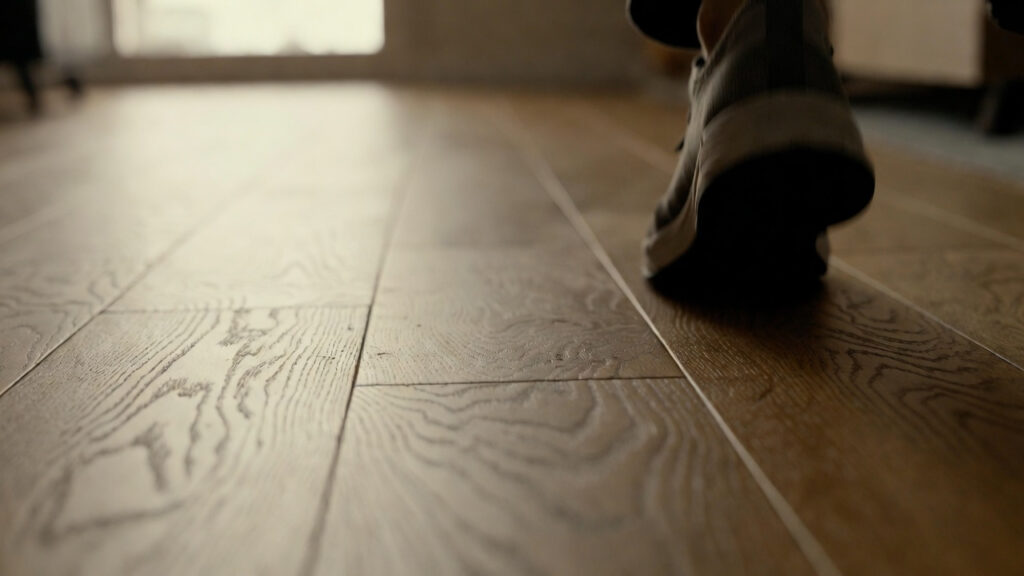
A few squeaks in older homes are normal.
But new squeaks are a signal.
It can mean:
• Loose fasteners
• Subfloor separation
• Structural shifting
In coastal New Jersey homes, seasonal humidity changes can cause expansion and contraction, but sudden or worsening noise is often one of the early warning signs your hardwood floors need repair.
4. Discoloration and Fading Patterns
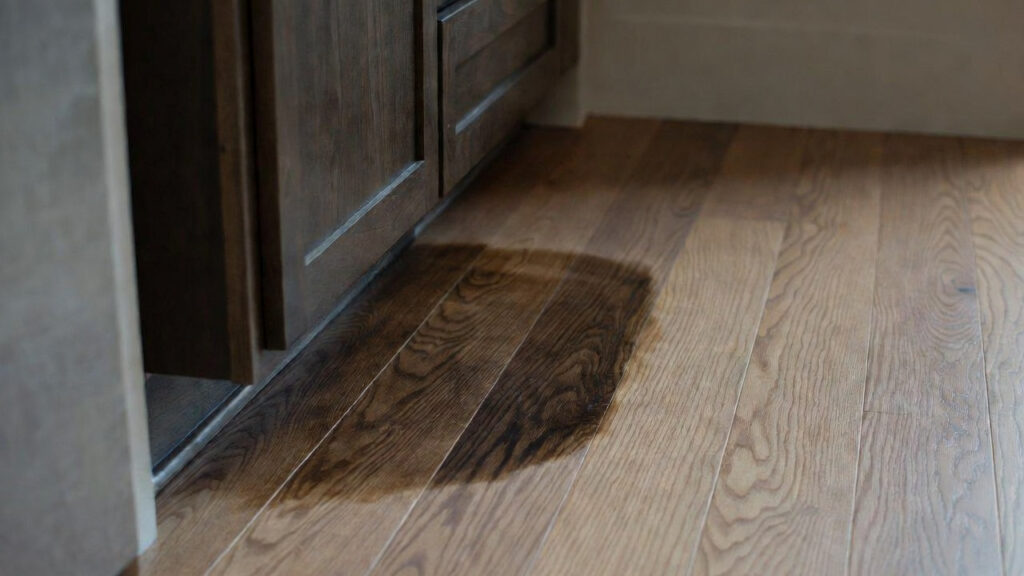
Sunlight naturally fades hardwood over time. That’s normal.
Red flag:
• Dark spots near appliances or sinks
• Gray or black staining
• Uneven, blotchy patches
Dark staining often signals water penetration.
If moisture reaches the core of the wood, sanding alone may not fix it. Early detection is key if you want to avoid major hardwood floor repairs.
5. Soft or Spongy Areas Underfoot
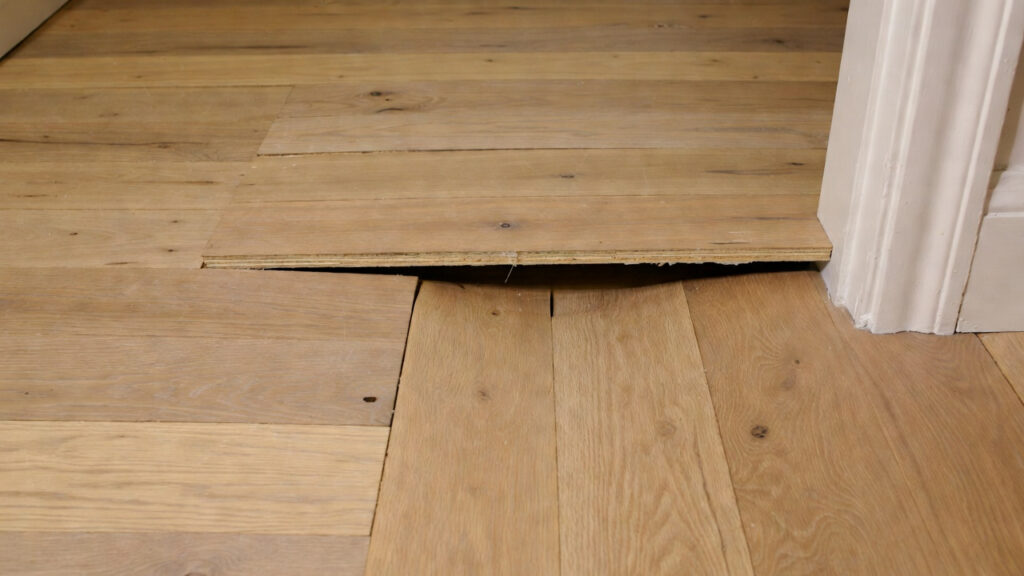
Hardwood should feel solid.
If you notice:
• Soft spots
• Bounce when walking
• A hollow sound
You could be dealing with subfloor damage or hidden moisture issues.
By the time floors feel soft, the damage underneath is often advanced. This is one of the most serious signs your hardwood floors need repair.
6. Finish Wearing Off Faster Than Expected
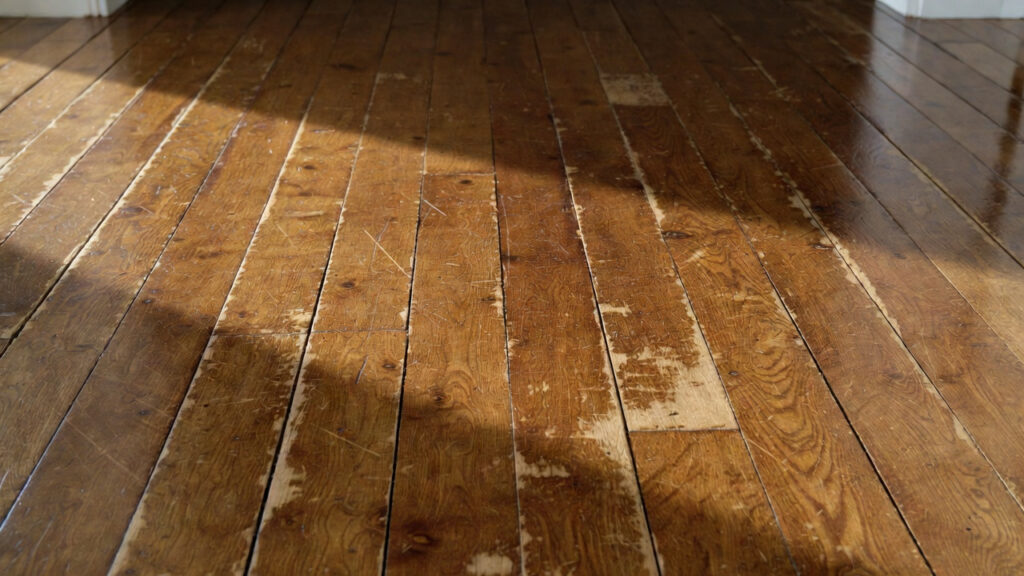
High-traffic areas wear down first. That’s normal.
But if:
• Finish disappears quickly
• Bare wood is exposed
• Scratches penetrate deeply
You may need refinishing sooner than expected.
For solid hardwood, refinishing every 7–10 years is typical. Catching finish wear early is one of the easiest ways to prevent larger repairs.
7. Musty Odors You Can’t Explain
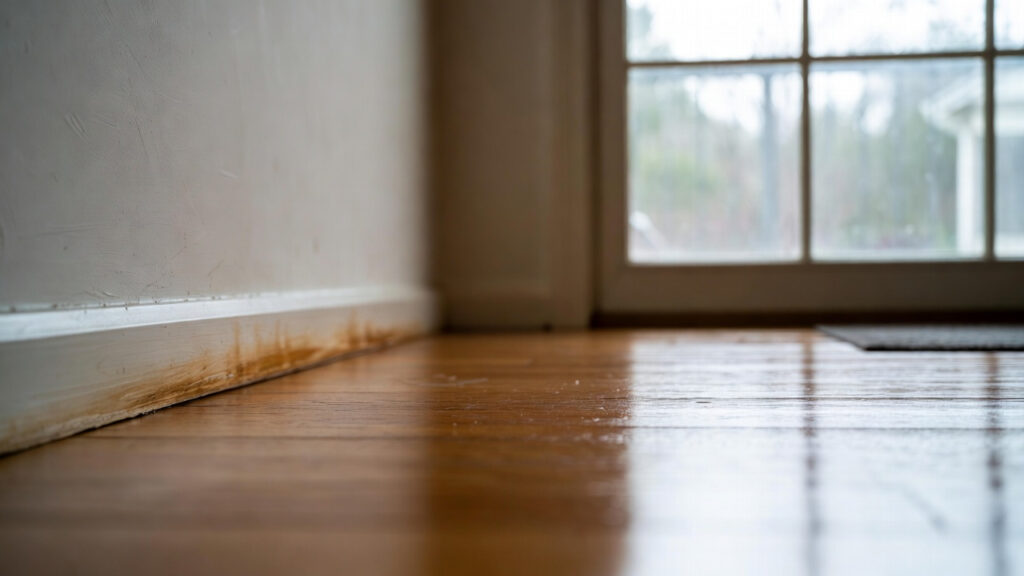
Wood absorbs moisture. If there’s a persistent musty smell, especially in humid months, it may signal Wood absorbs moisture.
If there’s a persistent musty smell — especially during humid months — it may signal hidden moisture below the floorboards.
That can lead to:
• Mold growth
• Subfloor decay
• Air quality issues
If the smell worsens after rain or humidity spikes, don’t ignore it. This is often one of the most overlooked hardwood floor warning signs.
8. Subfloor Movement
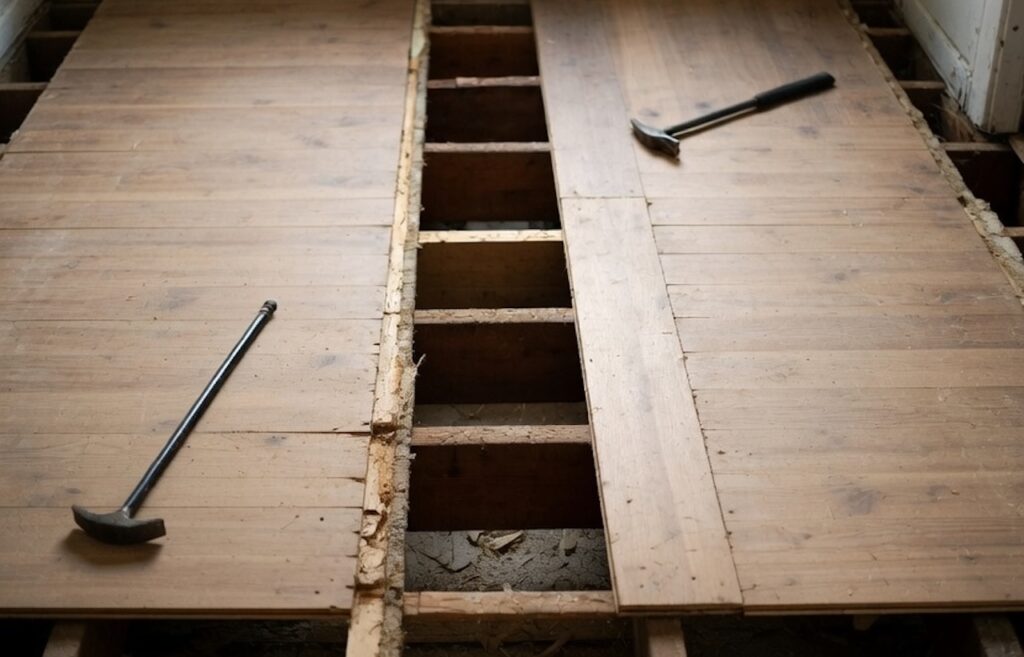
Sometimes the flooring itself isn’t the root problem.
Structural movement in the subfloor can cause:
• Gaps
• Squeaks
• Board shifting
Common causes include:
• Loose subfloor panels
• Framing movement
• Improper fastening
If movement continues to worsen over time, a professional inspection is critical. Addressing subfloor issues early can prevent full floor replacement.
The Real Cost of Waiting
Most hardwood flooring problems don’t start as emergencies.
They start as:
• A small gap
• A subtle stain
• A faint squeak
Six months later, it’s board replacement.
A year later, it’s full section removal.
Prevention costs hundreds. Repairs cost thousands.
How to Future-Proof Your Hardwood Floors
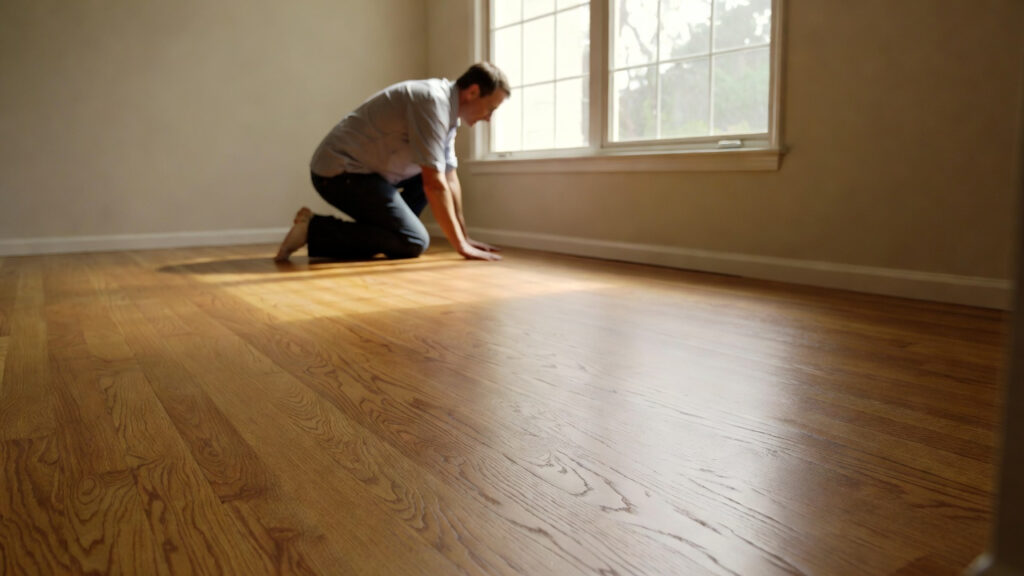
If you want to avoid these warning signs your hardwood floors need repair, focus on these habits:
1. Control Humidity Year-Round
Keep levels between 35%–55%.
2. Avoid Wet Mopping
Excess water is the fastest way to damage hardwood.
3. Inspect High-Risk Areas Twice a Year
Check kitchens, bathrooms, and entry points.
4. Recoat Before Failure
A maintenance coat can extend floor life significantly.
5. Act Early
Floors don’t change without a reason.
Final Thought
Hardwood floors are resilient, but they’re not indestructible.
The homeowners who get 30+ years out of their floors aren’t lucky. They’re proactive.
If you notice early warning signs your hardwood floors need repair, acting quickly makes all the difference.
Because with hardwood flooring, the biggest repairs are almost always the ones you saw coming — but ignored.
Concerned About Warning Signs in Your Hardwood Floors?
If you live in Monmouth County or nearby areas and have noticed gaps, cupping, squeaks, or moisture damage, our team at Renova Flooring can help.
We specialize in:
• Hardwood floor refinishing and restoration
• Structural floor repairs
• Moisture diagnostics
• Professional hardwood floor installation
Request a consultation:
renovaflooring.com