
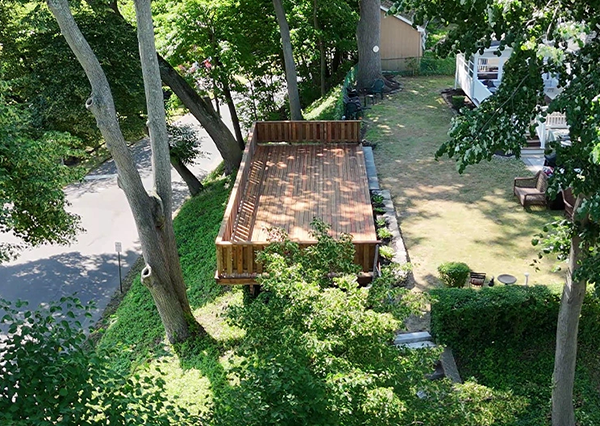
Hardwood decks are prized for their durability, beauty, and long-term value but even the toughest materials have limits. When signs of deterioration appear, homeowners face a critical question: Is this deck repairable, or has it reached the point of no return? Making the wrong call can cost thousands or compromise safety.
This guide walks you through a clear, professional framework to determine whether your hardwood deck can be salvaged, or whether replacement is the only responsible option.
1. Understand the Difference Between Surface Damage and Structural Failure
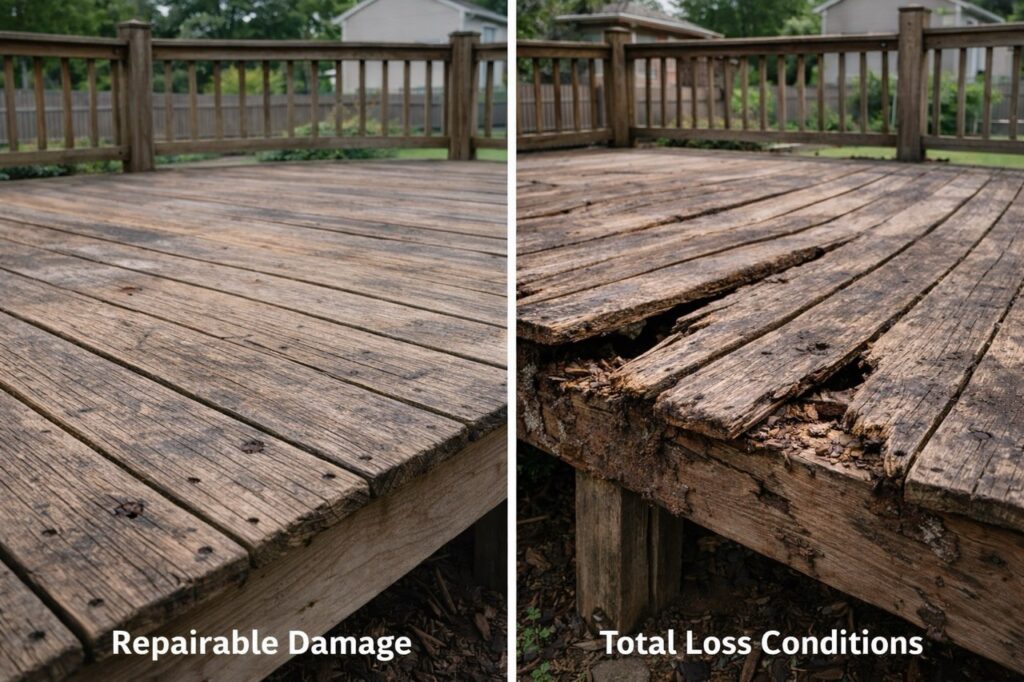
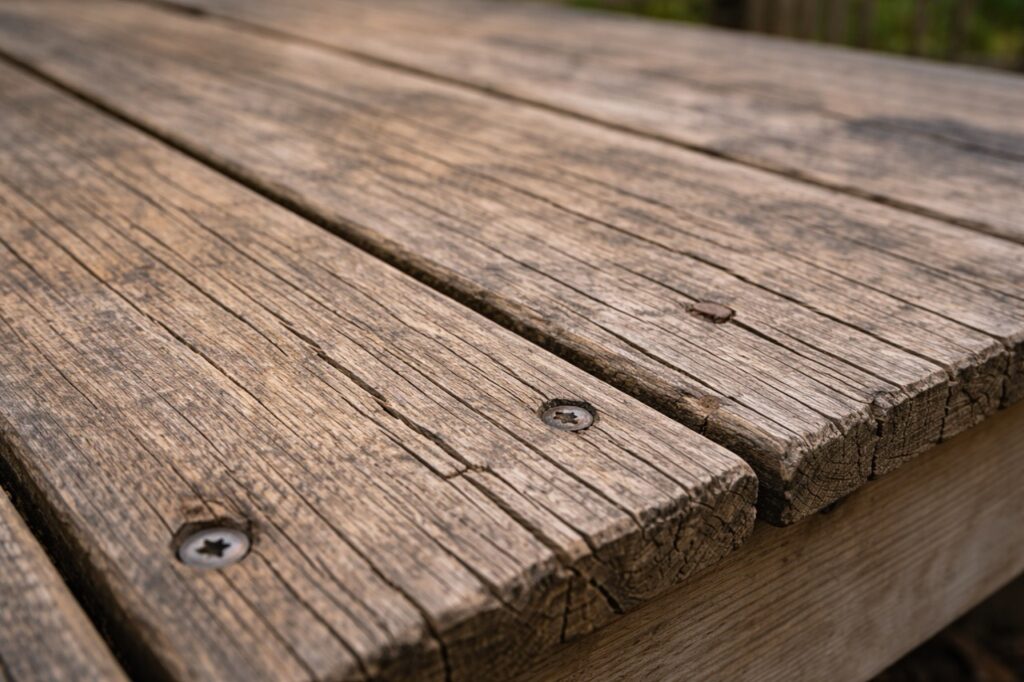
Not all damage is created equal. Cosmetic wear, such as fading, minor checking, or surface splintering, is normal in hardwood decks and usually repairable. Structural damage, however, threatens the integrity of the entire system.
Generally repairable issues:
- Surface cracking (checking)
- Discoloration or UV fading
- Loose but intact deck boards
- Isolated fastener corrosion
Red-flag structural issues:
- Deep rot penetrating the wood fibers
- Widespread softness or sponginess
- Sagging sections or uneven load distribution
- Compromised joists, beams, or ledger connections
If the damage affects load-bearing components, patching may only delay inevitable failure.
2. Evaluate the Extent and Pattern of Wood Rot
Rot location matters as much as rot severity.
- Localized rot (one or two boards, ends near planters, stair treads): often repairable.
- Systemic rot (multiple boards, joists, underside framing): usually indicates moisture management failure and points toward replacement.
A key diagnostic indicator is pattern repetition. If rot appears in multiple areas with similar exposure, repairs will likely be short-lived.
3. Inspect the Underside: The Truth Lives Below
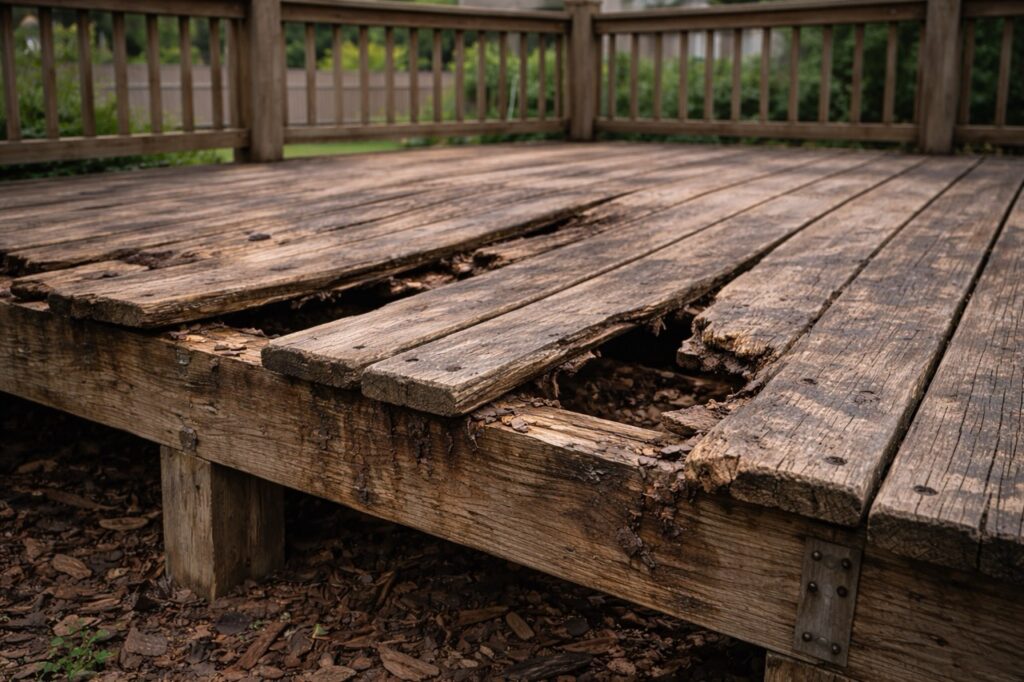
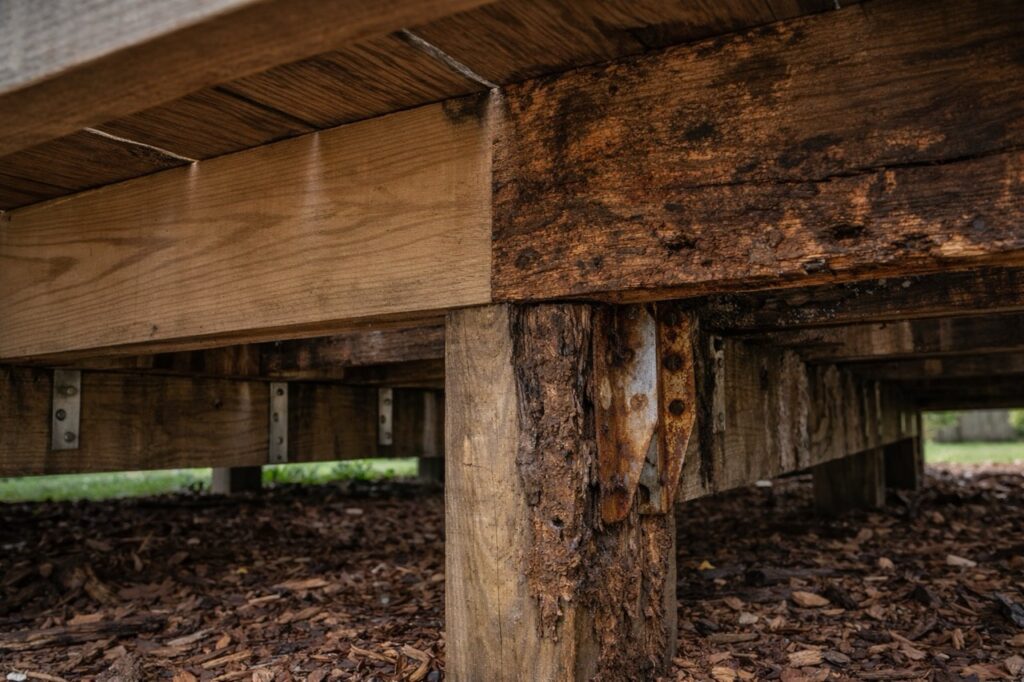
The underside of the deck reveals what the surface often hides. Joists, beams, and connectors determine whether the deck is fundamentally sound.
Look for:
- Dark staining or fungal growth on joists
- Crumbling wood at beam ends
- Rusted or failing joist hangers
- Insect damage combined with moisture exposure
If the structural frame is compromised, replacing only surface boards is a false economy.
4. Consider the Deck’s Age and Original Construction Quality
Hardwood species like ipe, cumaru, or teak can last decades, but only if installed correctly.
Factors that shorten lifespan:
- Improper spacing preventing drainage
- No air circulation beneath the deck
- Inadequate flashing at ledger boards
- Non-rated fasteners used with hardwood
A poorly built deck reaches “total loss” far sooner than a well-designed one, regardless of wood species.
5. Analyze Safety and Liability Risks
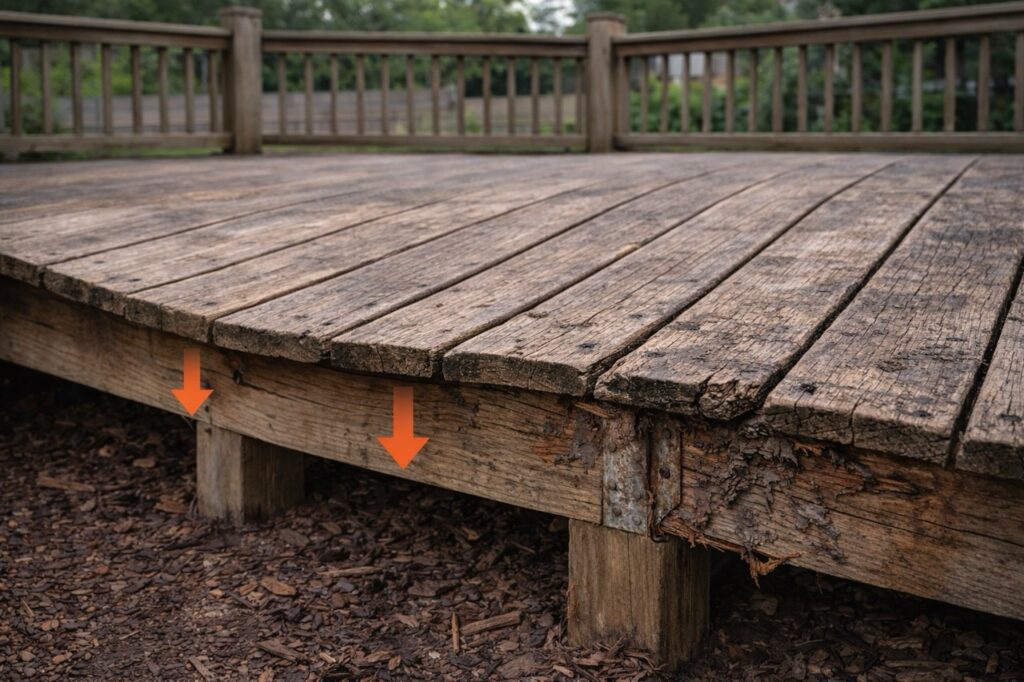
If your deck shows signs of structural weakness, continuing to use it exposes occupants, and homeowners, to serious risk.
Immediate replacement is advised when:
- Boards flex excessively under normal foot traffic
- Railings feel loose or unstable
- Connections to the house show separation
- Load-bearing elements show visible decay
From a liability standpoint, patching a known unsafe structure can be more costly than replacement.
6. Compare Repair Costs vs. Replacement Value
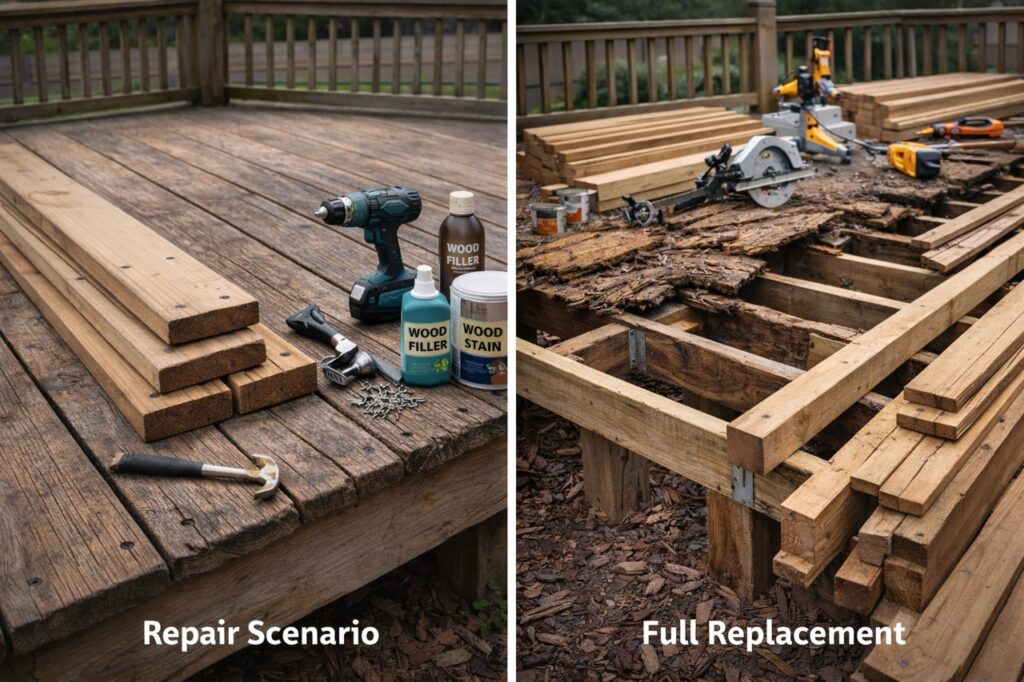
Short-term savings can be deceptive.
Ask:
- Will repairs address the root cause or just symptoms?
- How many years of safe service will repairs realistically provide?
- Will additional sections fail soon after patching?
If repairs exceed 30–40% of replacement cost, full replacement often delivers better long-term value and peace of mind.
7. Make the Decision: Patch or Pitch
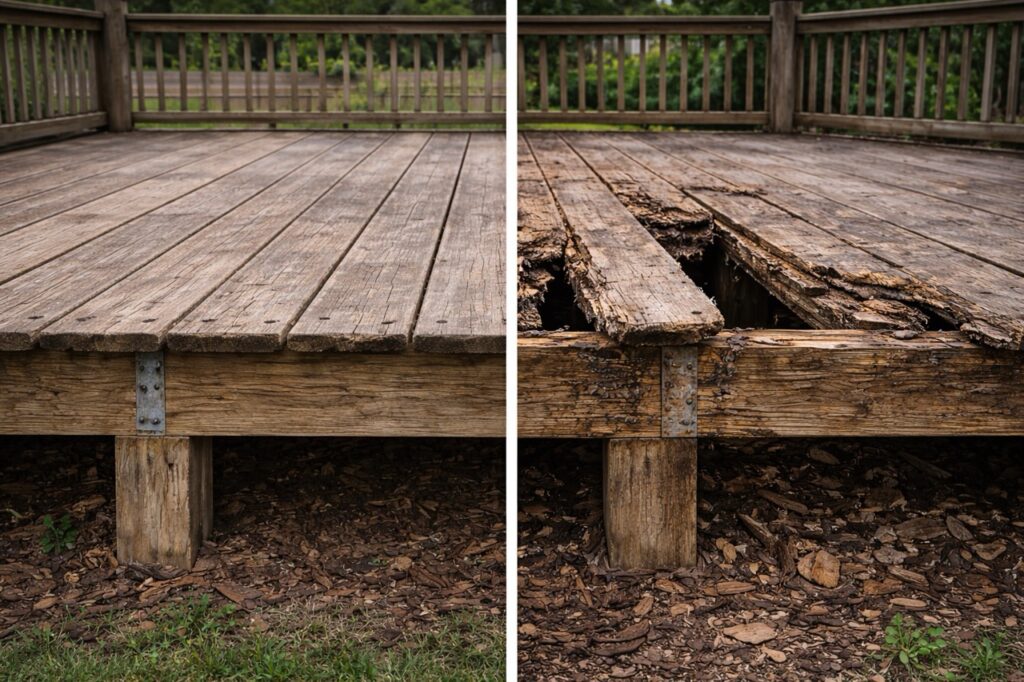
Patch your deck if:
- Damage is localized and non-structural
- Framing and connections are sound
- Moisture issues can be permanently corrected
Replace your deck if:
- Structural components are compromised
- Rot is widespread or recurring
- Safety cannot be guaranteed through repairs
A professional inspection is the final arbiter, but informed homeowners make better decisions.
Final Thought
Hardwood decks are an investment. Knowing when to preserve that investment, and when to walk away, protects both your property value and personal safety. When in doubt, prioritize structural integrity over short-term fixes.
If you suspect your deck may be beyond repair, a thorough inspection today can prevent a catastrophic failure tomorrow.
Visit our website for more inspiration and design ideas!