
A squeaky staircase is more than an annoyance, it is often an early indicator of structural movement, material fatigue, or improper installation. Correctly diagnosing the source of the noise is essential, because treating the symptom without addressing the cause almost always leads to temporary or failed repairs.
In this guide, we break down the three most common sources of stair squeaks, the riser, the tread, and the nailing strip, and explain how professionals determine which component is responsible.
Understanding Why Stairs Squeak
Stair squeaks occur when two materials move against each other under load. Over time, seasonal humidity changes, normal wear, and subfloor movement can loosen fasteners or create micro-gaps between components. When weight is applied, friction creates sound.
The key to a lasting repair is identifying where the movement is happening, not just where the noise is heard.
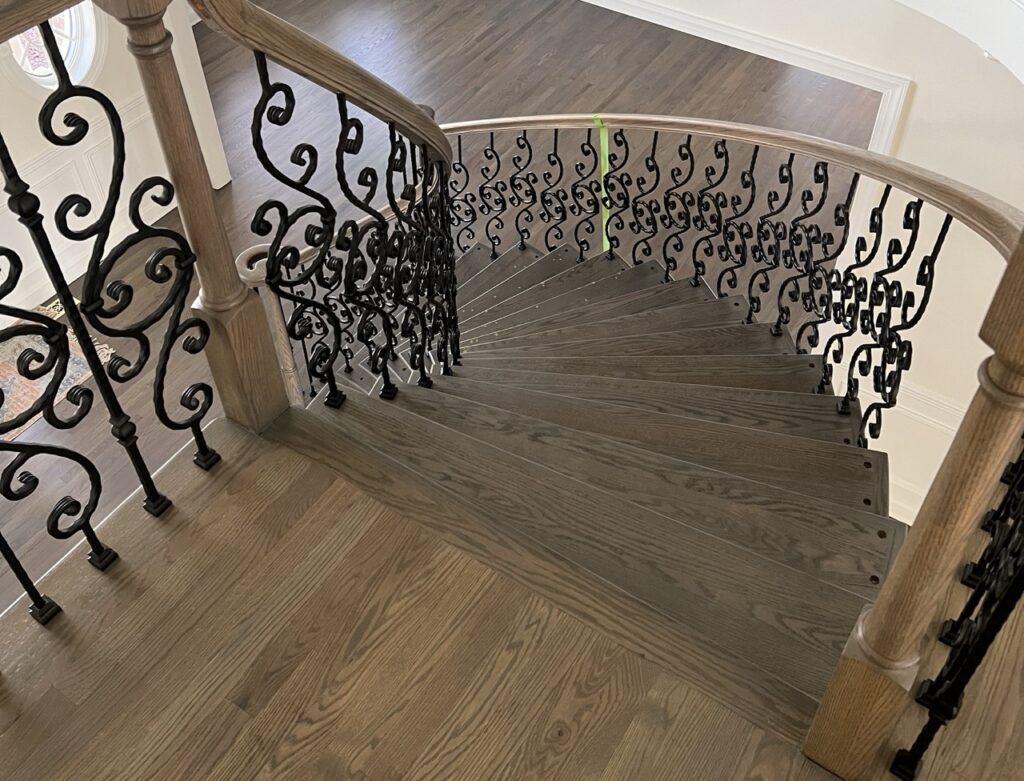
1. Is the Squeak Coming from the Tread?
What the Tread Does
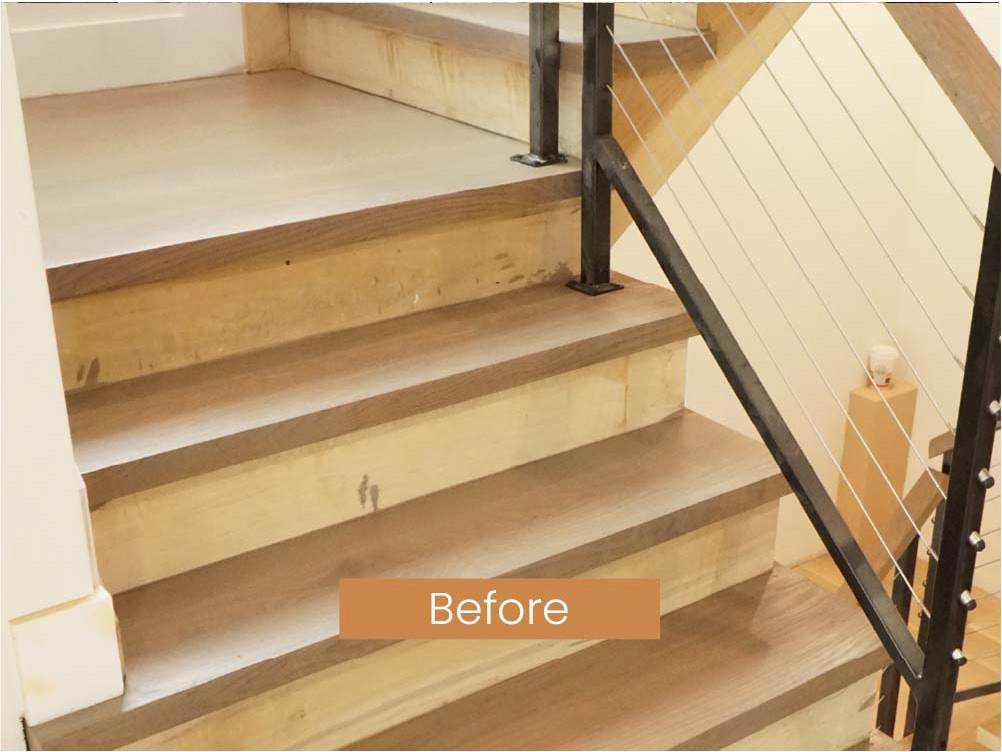
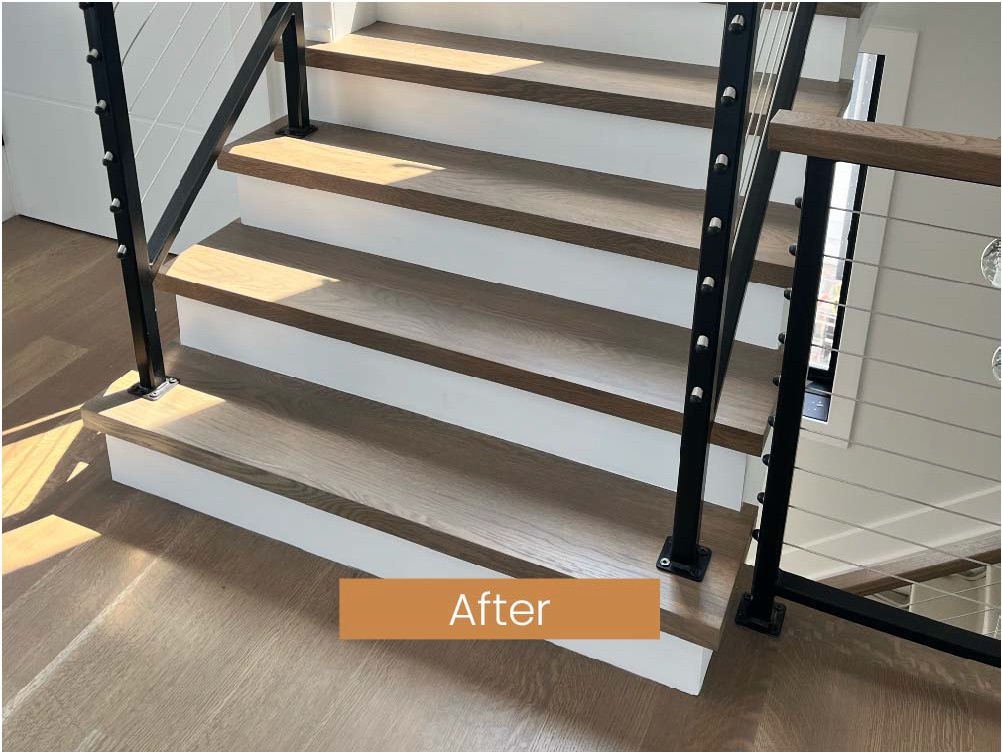
The tread is the horizontal part of the stair, the surface you step on. Because it bears the most weight, it is one of the most common sources of squeaks.
Common Causes
- Loose or insufficient fasteners
- Wood shrinkage creating gaps between the tread and stringers
- Subfloor flex beneath the tread
- Nails backing out over time
How It Sounds
Tread-related squeaks usually occur directly underfoot and repeat consistently when stepping in the same spot.
Professional Fix
Depending on access, solutions may include:
- Re-fastening with construction screws
- Injecting adhesive to eliminate movement
- Installing blocking beneath the tread for added rigidity
2. Could It Be the Riser?
What the Riser Does
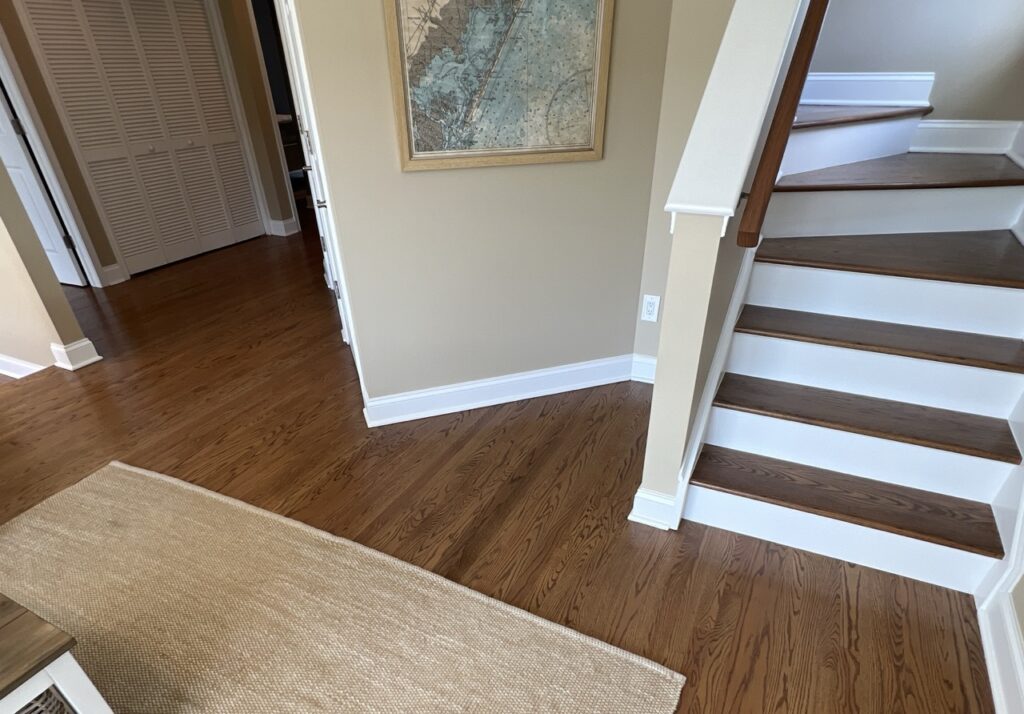
The riser is the vertical board between each tread. While it does not carry direct foot traffic, it plays a critical role in structural stability.
Common Causes
- Riser separating from the tread above or below
- Poor glue coverage during installation
- Seasonal expansion and contraction
How It Sounds
Riser squeaks are often more subtle and may occur just before or after the foot lands, rather than directly under pressure.
Professional Fix
Effective repairs often involve:
- Re-securing the riser to both treads
- Applying adhesive at contact points
- Reinforcing connections from behind the staircase when accessible
3. The Overlooked Culprit: The Nailing Strip
What the Nailing Strip Is
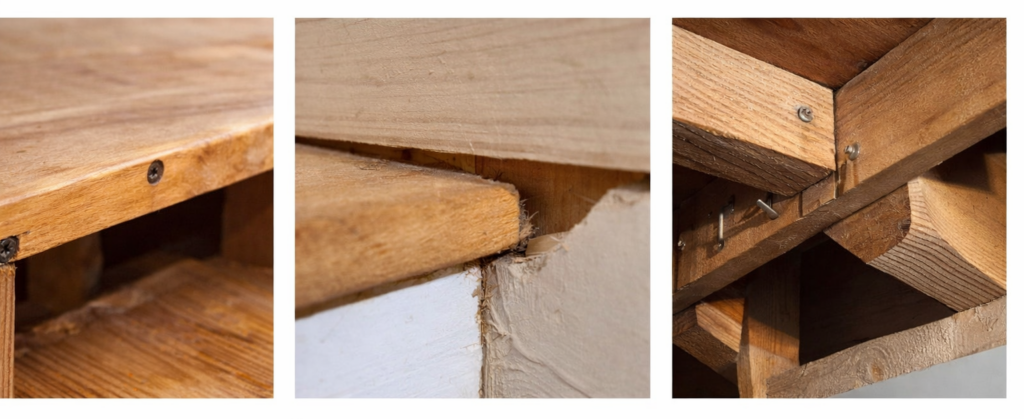
The nailing strip (sometimes called a cleat) is a hidden support piece used to anchor the riser to the tread. It is frequently overlooked, and frequently responsible.
Common Causes
- Loose nails or staples
- Inadequate fastening during original construction
- Wood-to-wood friction amplified over time
How It Sounds
Squeaks from nailing strips are often hard to localize, seeming to echo or travel across multiple steps.
Professional Fix
Because nailing strips are concealed, repairs typically require:
- Access from below or behind the staircase
- Re-fastening with screws instead of nails
- Structural adhesive to eliminate movement permanently
Why Accurate Diagnosis Matters
Many DIY fixes focus on surface solutions, sprinkling powder, driving random screws, or adding temporary fillers. While these methods may reduce noise briefly, they rarely address the underlying cause.
A professional diagnosis ensures:
- The correct component is treated
- The repair is permanent, not cosmetic
- Structural integrity is preserved
- Finished surfaces remain undamaged
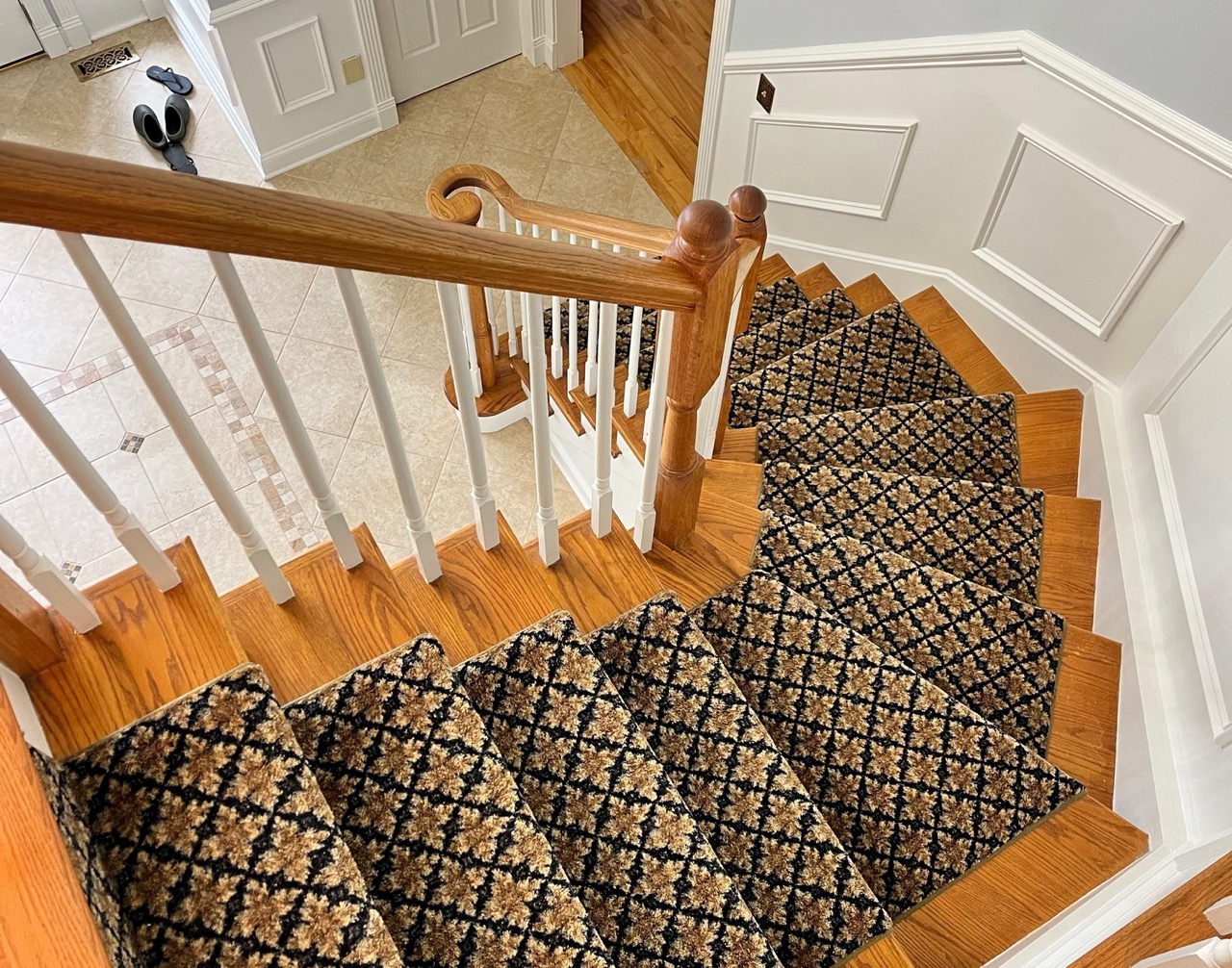
A squeaky stair is not a mystery, it is a mechanical problem with a mechanical solution. Whether the noise originates from the tread, the riser, or the nailing strip, identifying the true source is the difference between a short-term fix and a long-term solution.
If your staircase squeaks, the solution is not more pressure, it is better diagnosis, better fastening, and better craftsmanship.
Visit our website for more inspiration and design ideas!