

Real wood can reduce toxic risks during fires compared to many synthetic materials or engineered wood products. Here’s how and why:
Lower Emission of Toxic Gases
These gases are significantly more dangerous to inhale and can worsen fire-related fatalities. Emission of Toxic Gases
Solid wood primarily produces carbon dioxide (CO₂), carbon monoxide (CO), and particulate matter when burned.
In contrast, engineered wood (like MDF, plywood, or particle board) often contains glues, resins, and formaldehyde that release highly toxic gases such as:
Formaldehyde
Hydrogen cyanide
Phosgene
Solid wood primarily produces carbon dioxide (CO₂), carbon monoxide (CO), and particulate matter when burned.
In contrast, engineered wood (like MDF, plywood, or particle board) often contains glues, resins, and formaldehyde that release highly toxic gases such as:
Formaldehyde
Hydrogen cyanide
Phosgene
These gases are significantly more dangerous to inhale and can worsen fire-related fatalities.

Simpler Chemical Composition
Manufactured wood products contain synthetic additives that can alter combustion behavior and increase toxic smoke production.
Real wood is a natural material made mostly of cellulose, hemicellulose, and lignin—all organic compounds.
Burning Characteristics
- Solid wood tends to burn more predictably and slower, allowing more time for escape in case of a fire.
- Engineered wood can ignite faster and contribute to rapid flame spread, depending on its makeup.
Health Consequences
- Wood smoke exposure is linked to a broad spectrum of health issues: coughing, asthma, heart attacks, strokes, and long-term effects including cancer—especially dangerous for children, the elderly, and people with pre‑existing conditions
Using real, untreated wood in construction and furniture can:
- Lower the release of toxic fumes during a fire
- Offer safer conditions for occupants and firefighters
- Reduce the long-term health risks associated with toxic smoke inhalation
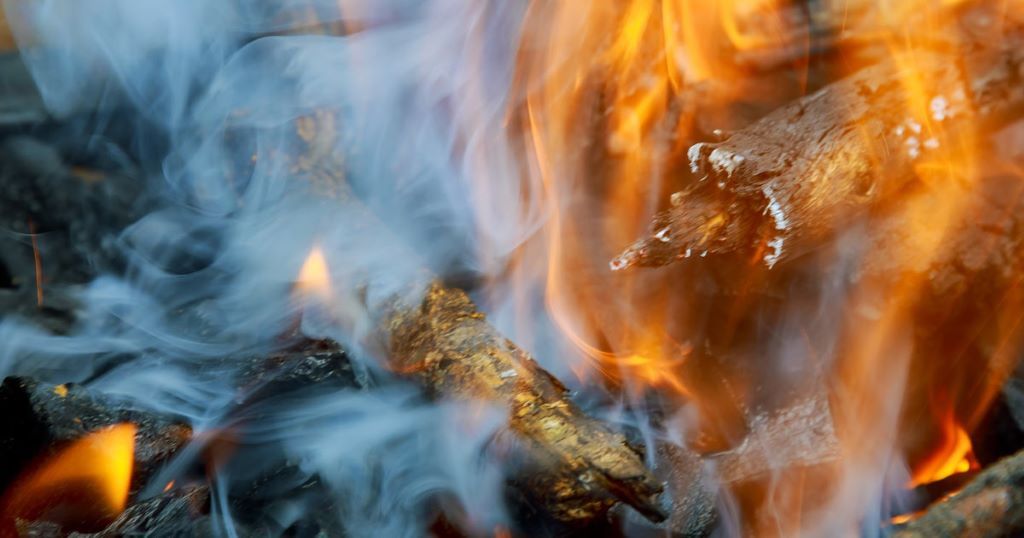
Real wood reduces toxin risks during fires because it burns more cleanly than synthetic or engineered materials. Unlike products that contain chemical adhesives or resins, natural wood emits fewer harmful gases and produces less toxic smoke when exposed to fire. This makes real wood a safer choice for reducing health hazards during fire events