
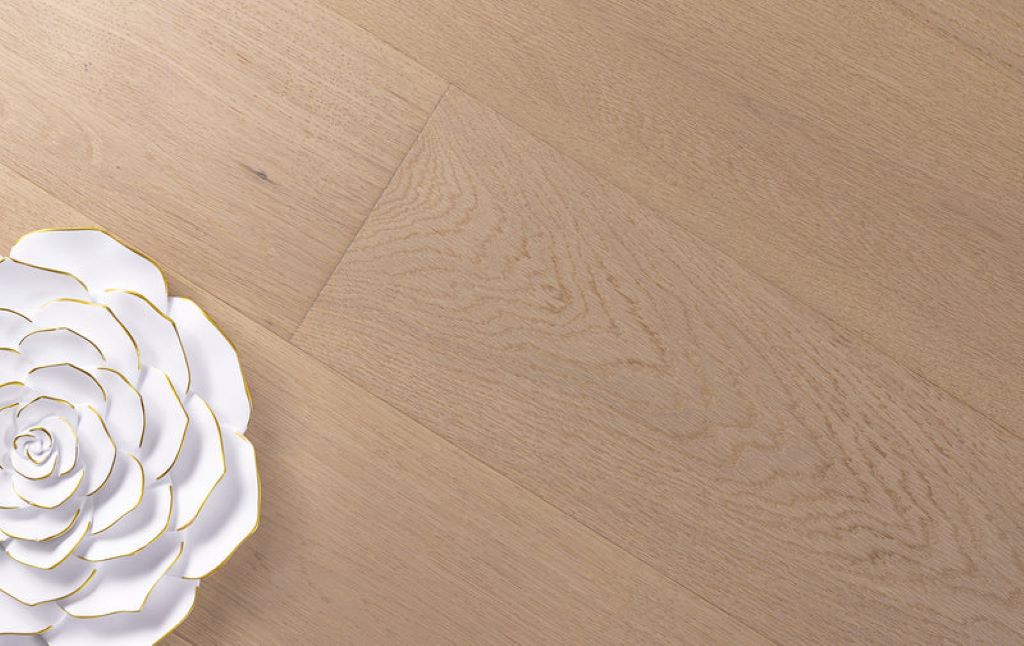
Crafting a custom white oak floor is both an art and a technical process—a blend of material knowledge, precise craftsmanship, and thoughtful design. Whether you’re a builder, designer, or homeowner, here’s a comprehensive look at what goes into “The Art of Crafting a Custom White Oak Floor.”
White Oak?
White oak is a favorite among flooring professionals because of its:
Hardness & Durability
Neutral grain pattern that accepts stains evenly
High tannin content, ideal for reactive finishes and fuming
Dimensional stability, especially in quarter/rift sawn formats
Selecting the White Oak
White oak is prized for its strength, tight grain pattern, and elegant color variation — ranging from light tan to medium brown, often with hints of gray.
Grades: Choose from clear (minimal knots), select, or rustic (full of character
Cut types:
- Plain sawn: Traditional look with cathedral grain.
- Quarter sawn: Straight, linear grain with added stability.
- Rift sawn: Very uniform grain, most refined appearance.
Moisture content: Should be kiln-dried to 6–9% for stability.
Milling & Customizing the Boards
Custom flooring often starts with raw planks milled to specification:
Thickness and width: Standard is ¾” thick; widths vary from 2¼” to 10+”.
Edge profiles: Square edge, micro-beveled, or custom.
Tongue and groove: Ensures tight fits and easy installation.
Custom patterns: Herringbone, chevron, parquet, or mixed-width planks.
Surface Treatments
Here’s where the artistry deepens — shaping the tone and texture:
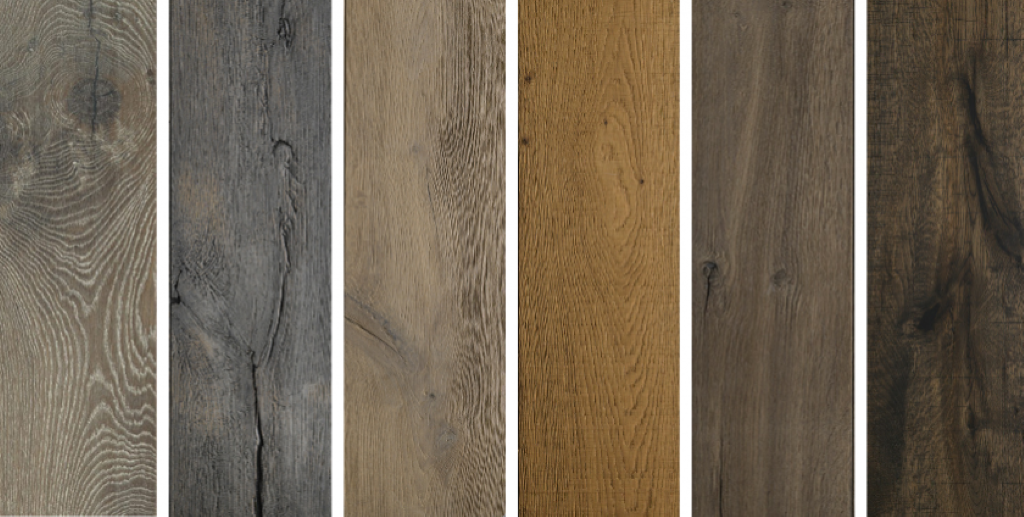
Hand-scraping: Adds a vintage, worn-in look.
Wire-brushing: Pulls out soft grain, enhancing texture.
Distressing: Adds age and patina.
Sanding: Smooths the surface or highlights the grain depending on the grit progression.
Custom Staining and Finishing
This is where artistry meets chemistry. Custom stains and finishes bring white oak to life:
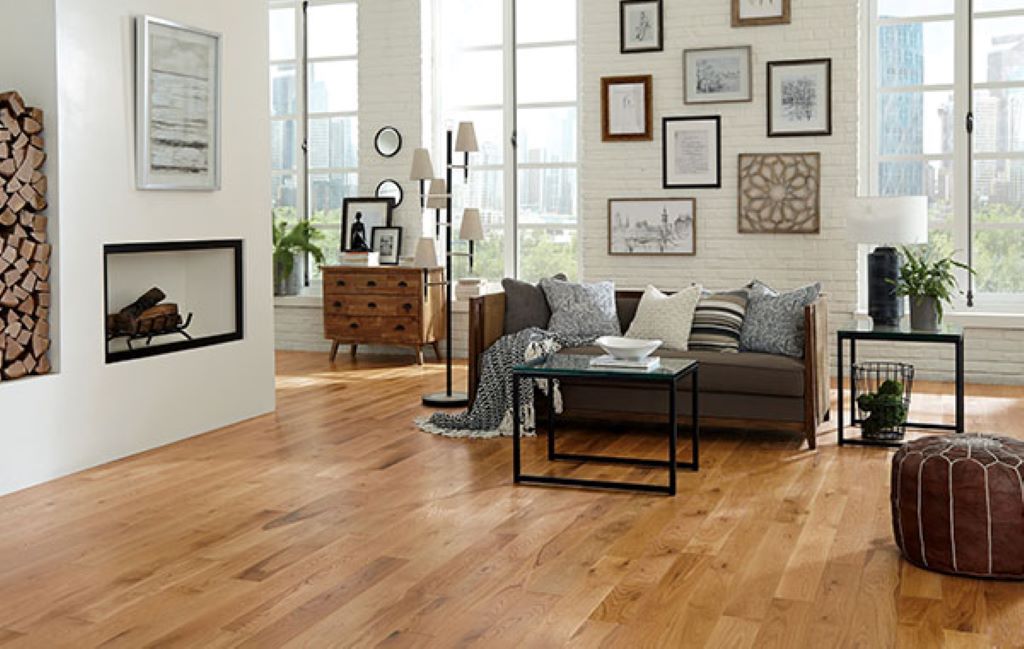
Stains: Ranging from natural to deep ebony or grey tones. White oak takes stain uniformly, allowing for deep, consistent color
Reactive Finishes: Techniques that use tannin-reactive solutions to naturally age or patina the wood.
Top Coats: Options include matte oils for a natural look, or durable polyurethanes for high-traffic areas.
Each floor tells a story — in the grain, the imperfections, the choices of stain and finish, and how it evolves with time. Whether you want something rustic and timeless or sleek and modern, custom white oak floors offer a canvas that responds to light, wear, and life.