
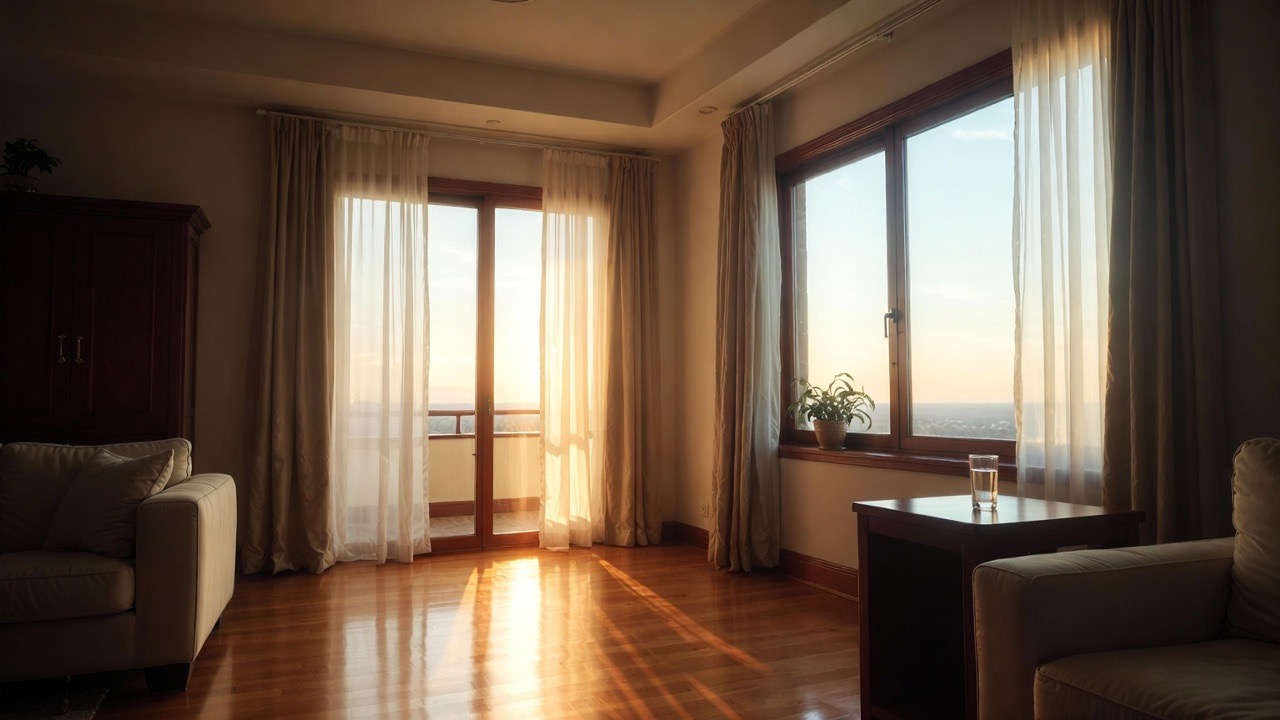
Water is the #1 enemy of hardwood flooring, and preventing water damage to hardwood floors should be a priority for every homeowner.
And the worst part? Most water damage doesn’t start with a flood.
It starts small a slow leak, trapped humidity, or one “harmless” wet mop.
If you want your hardwood floors to last 20–30+ years, prevention isn’t optional. It’s strategy.
Here are 7 practical ways to protect your investment before moisture turns into warping, cupping, staining, or full replacement.
1. Control Indoor Humidity Year-Round
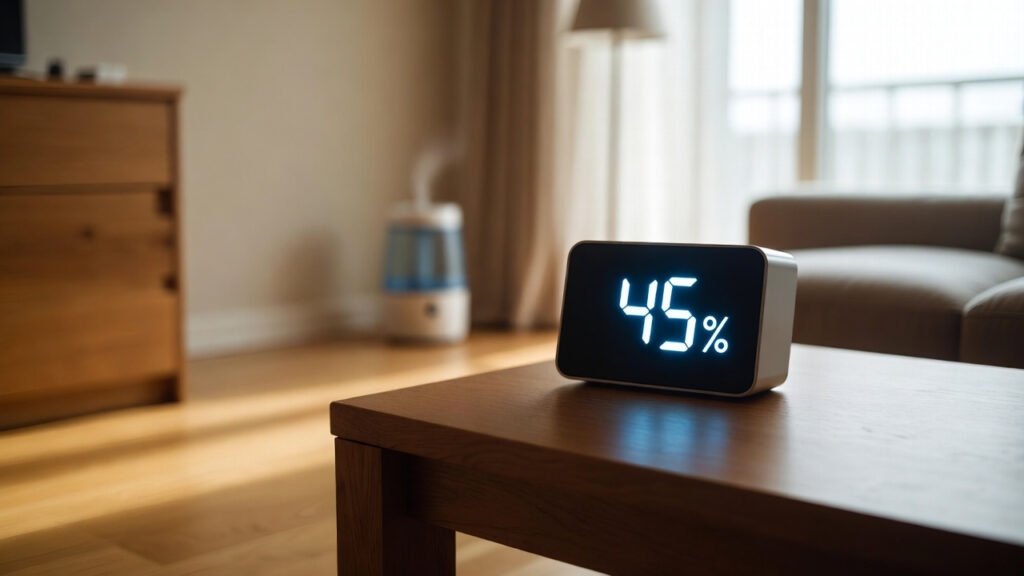
Hardwood expands when humidity rises and shrinks when it drops. Repeated expansion and contraction stress the boards and finish.
Ideal indoor humidity: 35%–55%
In coastal areas of New Jersey, especially towns like Rumson, Sea Bright, Middletown, and Holmdel humidity control is critical to prevent water damage to hardwood floors.
This isn’t optional maintenance. It’s structural protection.
If you don’t measure humidity, you’re guessing.
2. Stop Wet Mopping Immediately
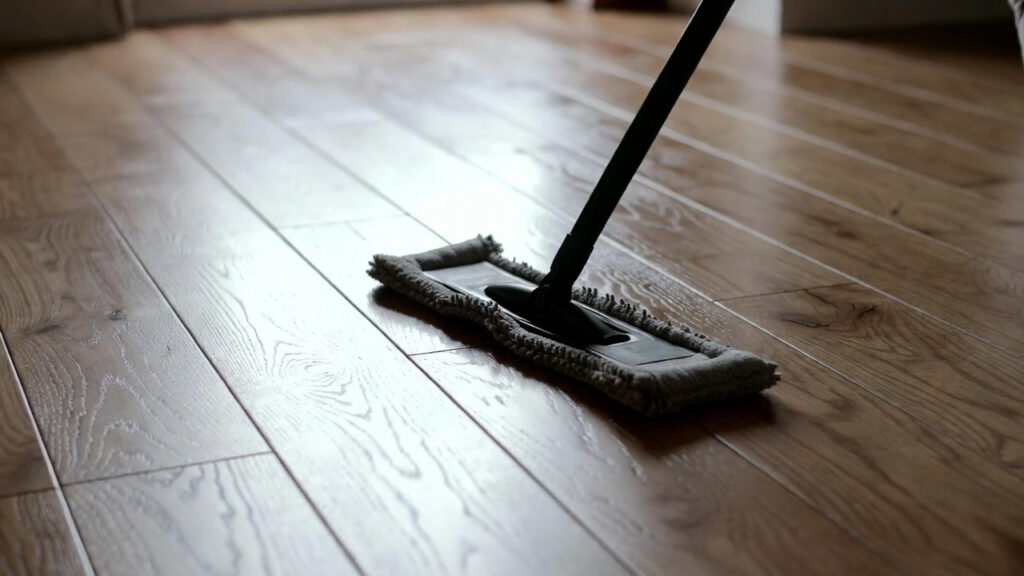
Water should never pool on hardwood.
Even small amounts of moisture can seep between boards over time and lead to long-term damage.
Instead:
• Use a damp microfiber mop (not wet)
• Use hardwood-specific cleaners
• Dry the surface immediately after cleaning
These habits are essential if you want to prevent water damage to hardwood floors over the long term.
3. Inspect Around Appliances Twice a Year
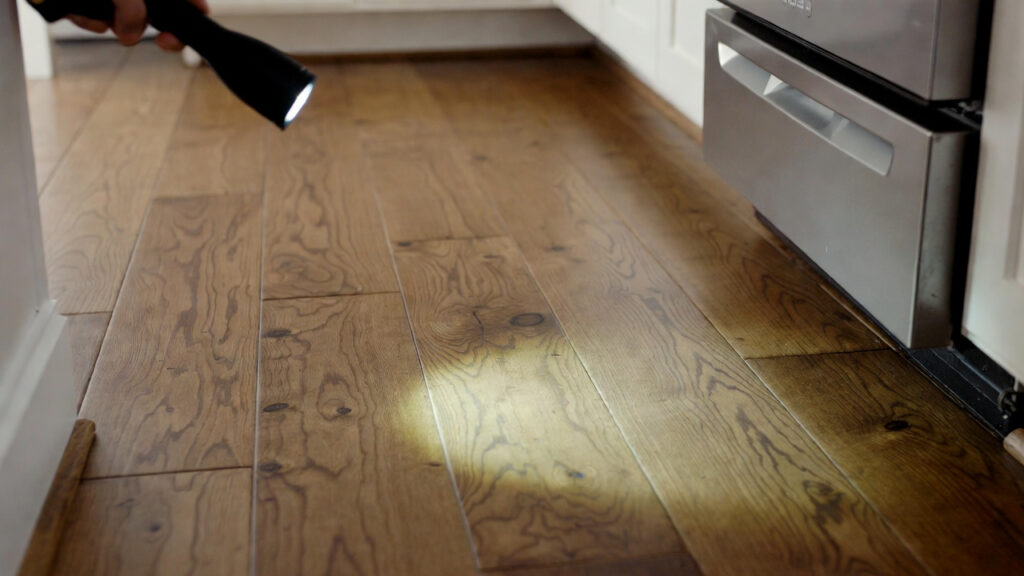
The biggest hidden threats:
• Dishwashers
• Refrigerators with ice makers
• Washing machines
• Sinks
Tiny supply line leaks can go unnoticed for months.
Check for:
• Darkening near baseboards
• Soft spots
• Slight cupping
Especially in homes where hardwood extends into kitchens.
Prevention costs nothing. Subfloor repairs don’t.
4. Install Protective Barriers in High-Risk Areas
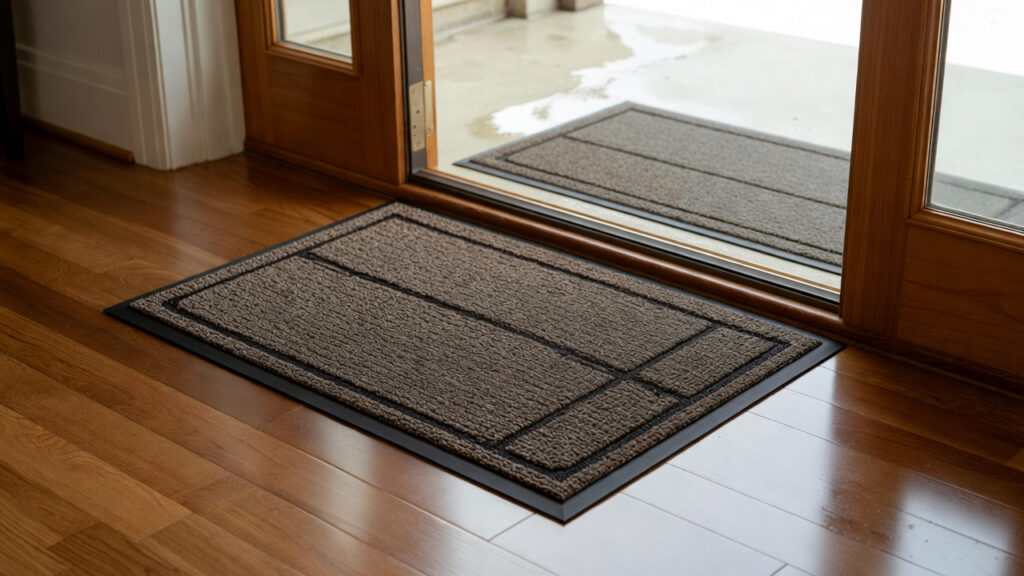
Entryways, mudrooms, and exterior doors are constant moisture zones.
Use:
• Quality mats inside and outside
• Waterproof trays under plant pots
• Silicone seals around exterior thresholds
In coastal New Jersey homes, this step alone can significantly reduce long-term moisture exposure.
5. Clean Spills Immediately — No Exceptions
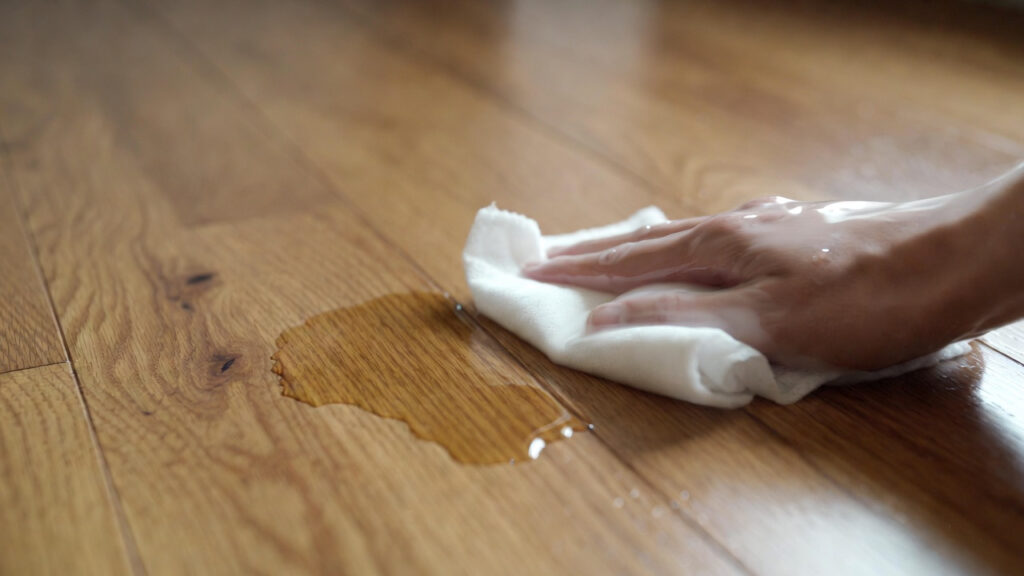
This sounds obvious. It isn’t.
The real damage happens when spills:
• Sit in seams
• Soak into micro-cracks in the finish
• Penetrate worn areas
Juice, wine, and pet accidents are acidic. They accelerate finish breakdown.
Treat every spill like it matters. Because it does.
6. Recoat Before the Finish Fails
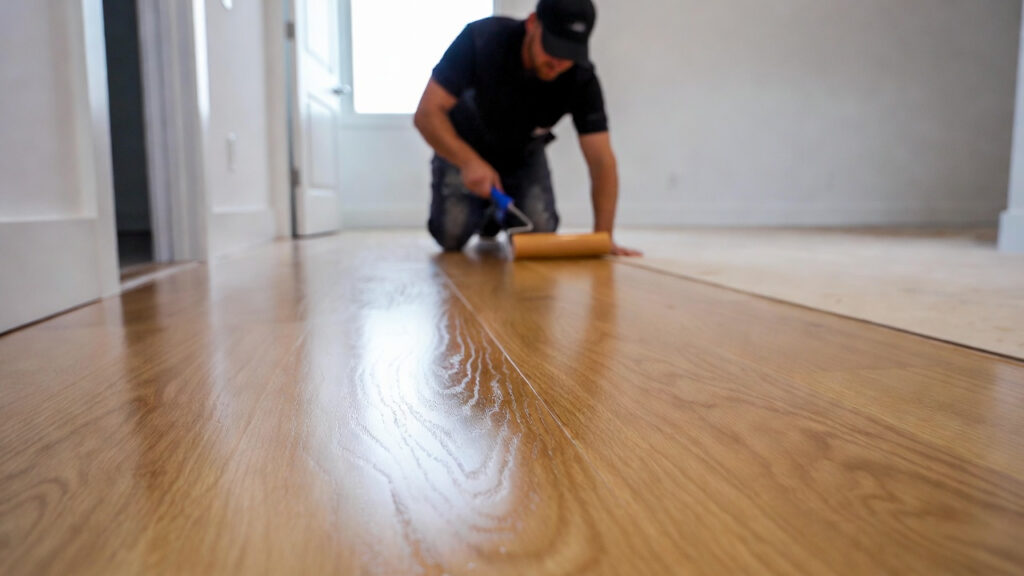
Hardwood isn’t damaged by water first, it’s damaged when the finish fails.
Once raw wood is exposed, moisture absorption speeds up dramatically.
If you notice:
• Dull traffic lanes
• Finish thinning
• Minor surface scratches
Recoat before you see bare wood.
Refinishing early is one of the smartest ways to prevent water damage to hardwood floors without full replacement.
7. Check Basements and Crawl Spaces
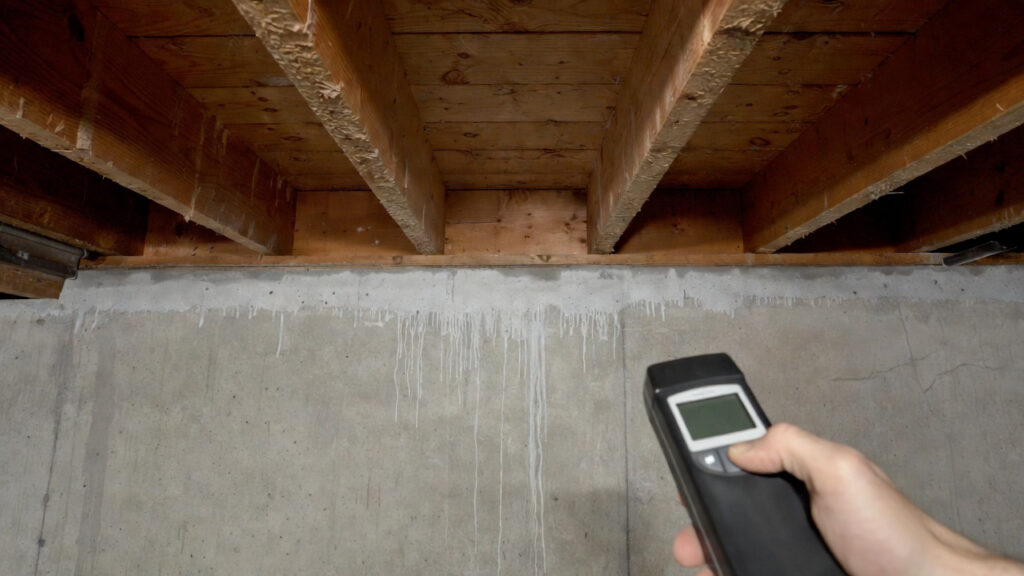
Moisture often rises from below.
If your hardwood is installed over:
• A basement
• A slab
• A crawl space
You need vapor control.
Look for:
• Condensation
• Musty smells
• High humidity readings
Ignoring subfloor moisture is one of the most common reasons floors begin cupping without any visible leak above.
The Real Cost of Ignoring Water
Here’s how water damage escalates:
• Slight discoloration
• Minor cupping
• Board distortion
• Mold risk
• Subfloor rot
• Section removal
• Full replacement
Most of these stages are preventable.
The difference between a 30-year floor and a 10-year floor is maintenance discipline.
Final Thought
Hardwood floors don’t fail randomly. They fail from neglect.
Water damage is predictable. And predictable problems are controllable.
If you build simple inspection habits and manage moisture intelligently, your floors won’t just survive — they’ll outlast trends, remodels, and resale cycles.
Protect the wood. Protect the structure. Protect the investment.
Need Help Protecting Your Hardwood Floors from Water Damage?
If you live in Monmouth County or nearby areas and are concerned about moisture affecting your hardwood floors, our team at Renova Flooring can help.
We specialize in:
• Hardwood floor refinishing and recoating
• Moisture assessment and prevention
• Subfloor inspection and repair
• Professional hardwood floor installation
Request a consultation:
renovaflooring.com
Visit our website for more inspiration and design ideas!