Call us now!    +1 732-822-3717   info@renovaflooring.com

Stair Railing Building Codes in New Jersey & Pennsylvania: What Homeowners Should Know
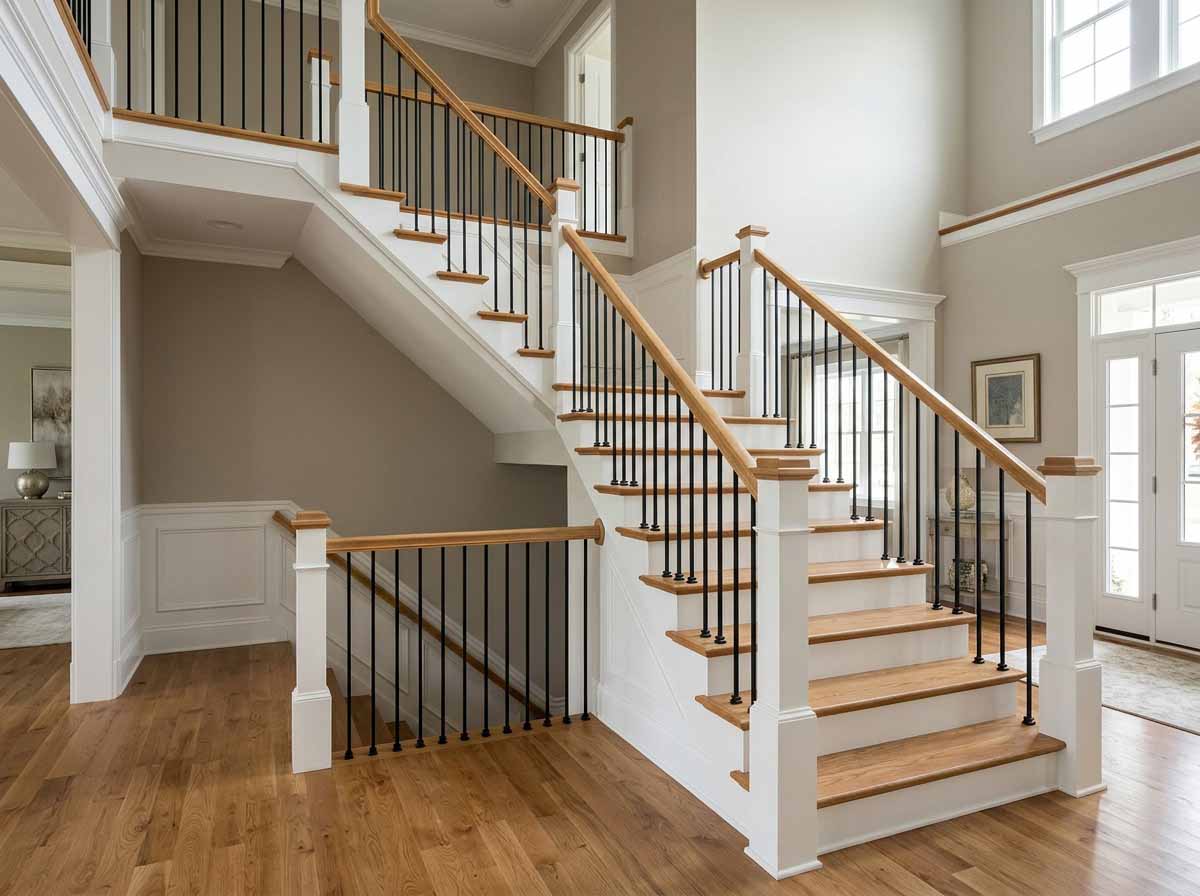
Replacing a stair railing might seem like a straightforward home improvement project. Choose a design, select the materials, and have it installed. But there’s more to it than appearance. Stair railings serve an important safety function, and even a beautifully crafted railing can create problems if it’s installed at the wrong height, has openings that … Read more
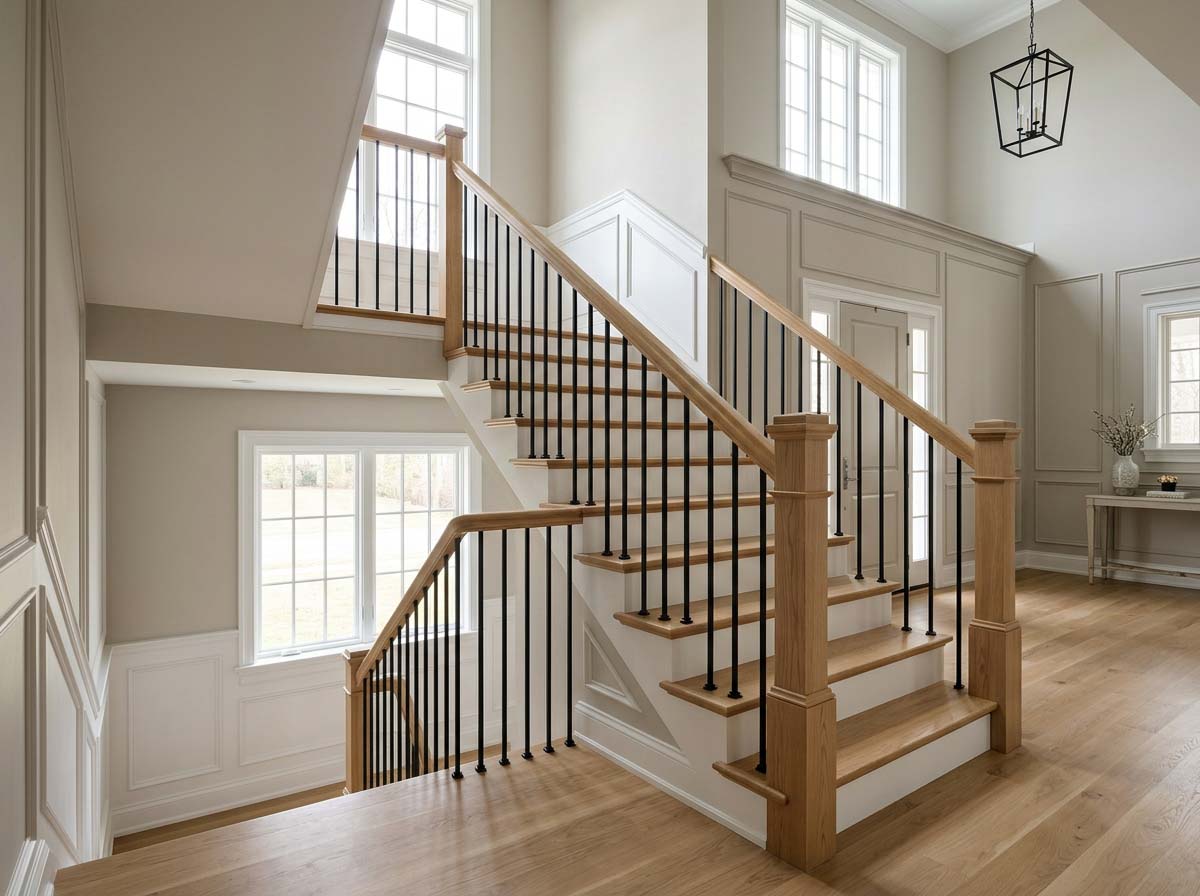
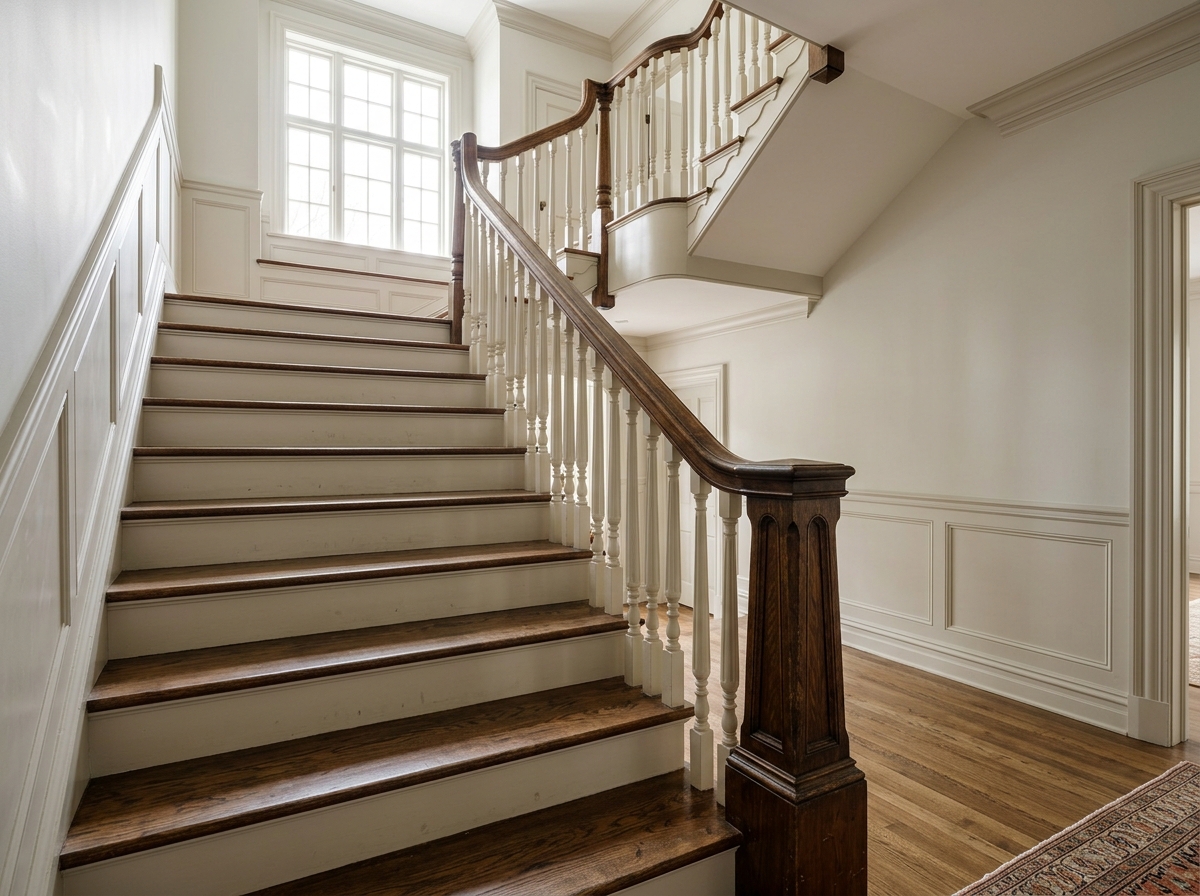
How to Choose the Right Stair Handrail: Wood, Metal, Design & Safety

A staircase can have beautiful hardwood treads, perfectly finished risers, and elegant trim, but the wrong railing can make the entire space feel unfinished. It’s one of the details that homeowners sometimes underestimate during a renovation. The handrail needs to feel comfortable and secure, but it also has a major influence on how the staircase … Read more

When Is It Time to Replace Your Stair Railing? 5 Warning Signs

A stair railing is something most homeowners use every day without giving it much thought. But when it starts to wobble, a post becomes loose, or a section feels unstable, it’s worth paying attention. A properly installed railing should provide reliable support while complementing the staircase’s design. Over time, however, wear, moisture, aging connections, or … Read more

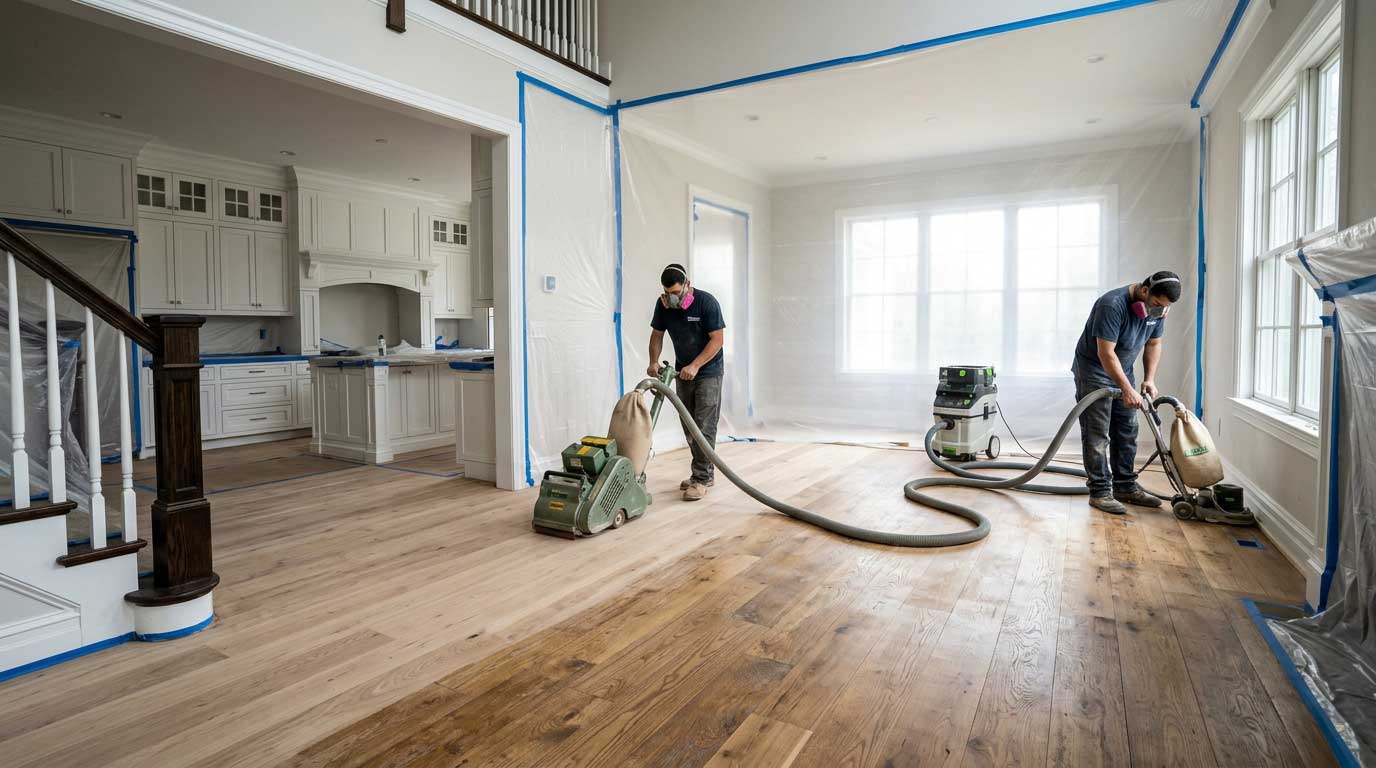
Dustless Hardwood Floor Refinishing: What It Really Means and What Homeowners Should Expect

“Dustless hardwood floor refinishing” sounds simple: sand the floors without creating dust. In reality, no hardwood sanding process should be considered literally 100% dust-free. Professional dust-containment equipment can capture a significant amount of sanding dust directly at the source, but the equipment is only one part of keeping a home clean during refinishing. At Renova … Read more

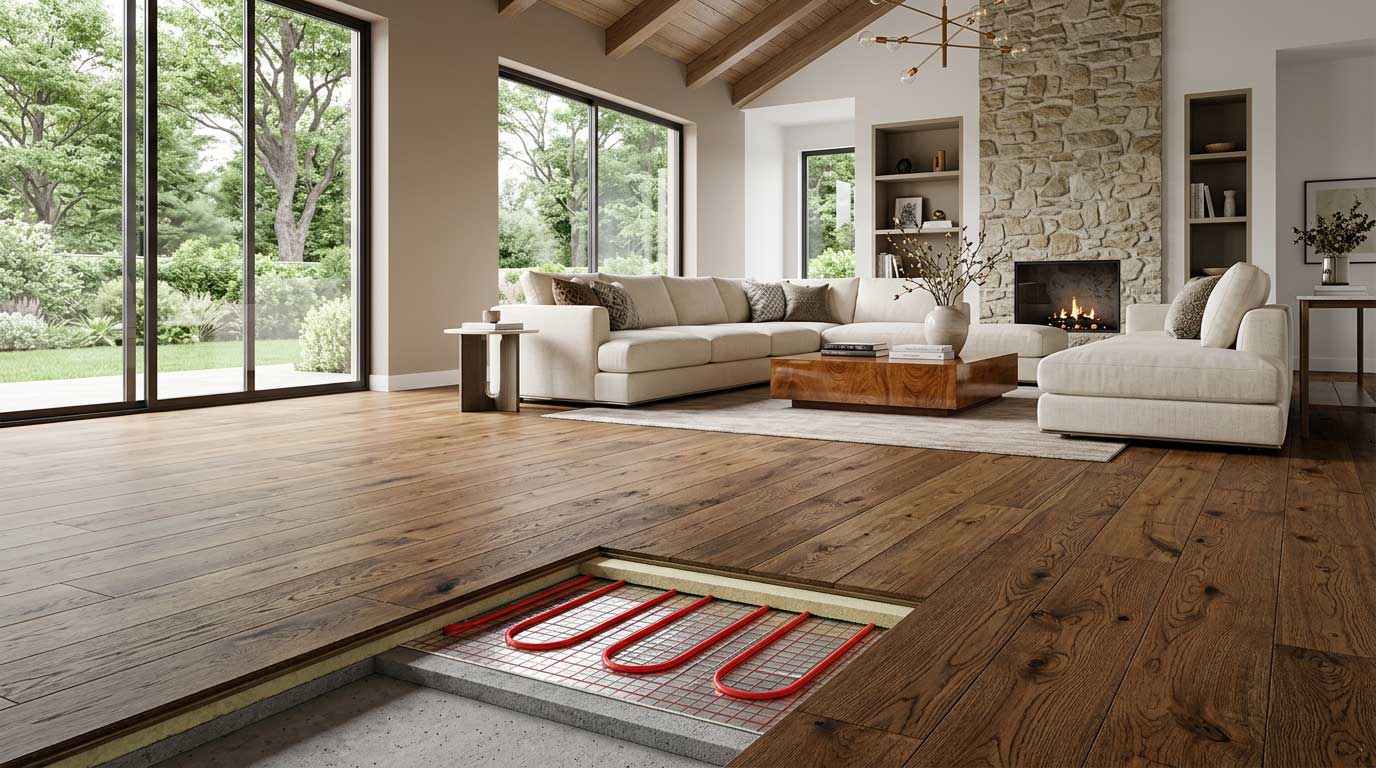
Engineered vs. Solid Hardwood Over Radiant Heat: What Works Best for Luxury NJ Homes?

Radiant heating is becoming increasingly common in luxury New Jersey homes, especially in new construction and major renovations. But adding radiant heat changes how hardwood flooring should be selected. The question isn’t simply whether engineered or solid hardwood looks better. The flooring needs to work with the heating system, subfloor, plank dimensions, wood species, indoor … Read more

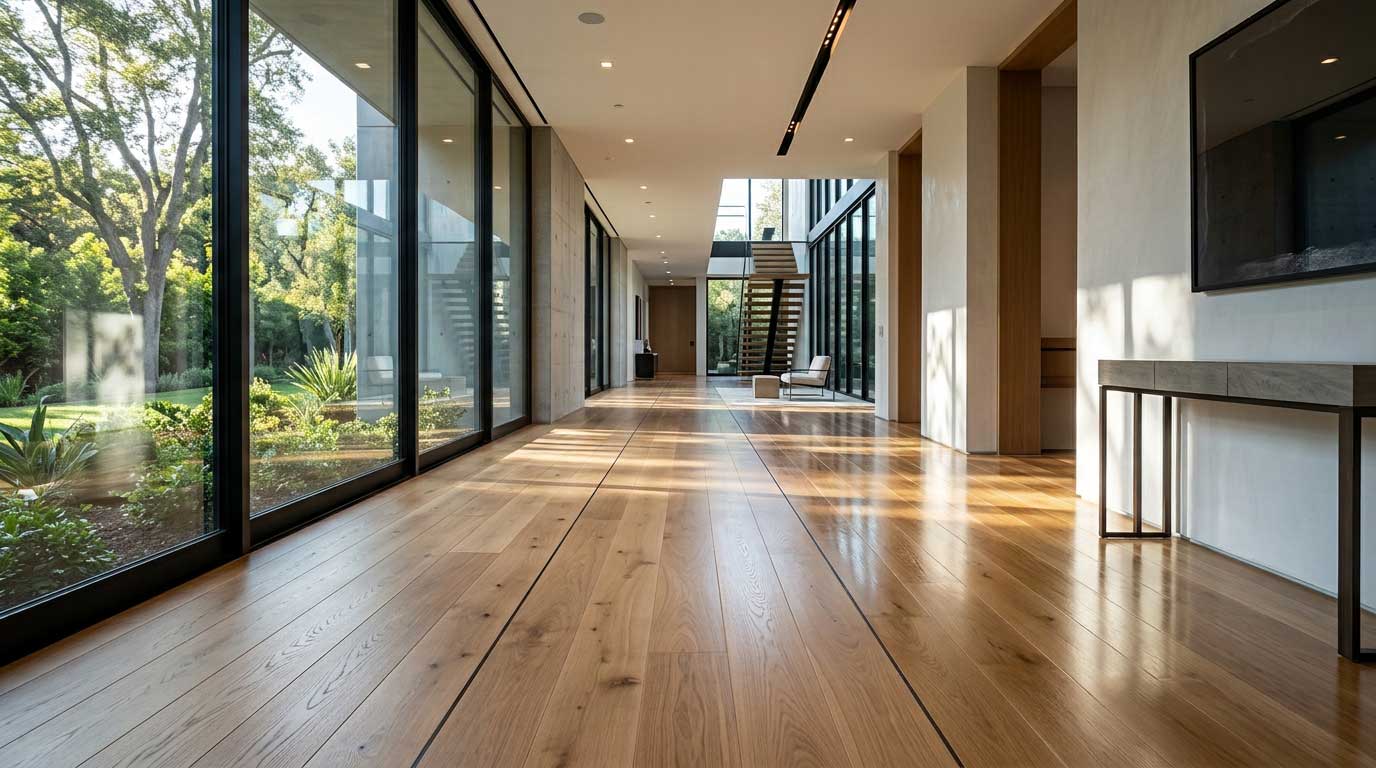
Hardwood Floor Finish: Matte vs. Satin vs. Semi-Gloss for High-Traffic Homes

Choosing between matte, satin, and semi-gloss isn’t just about how shiny you want your hardwood floors to look. Sheen changes how the wood interacts with light, how noticeable scratches and everyday wear become, and ultimately how the floor looks after years of use. For busy homes, that’s an important distinction. One misconception, however, is that … Read more

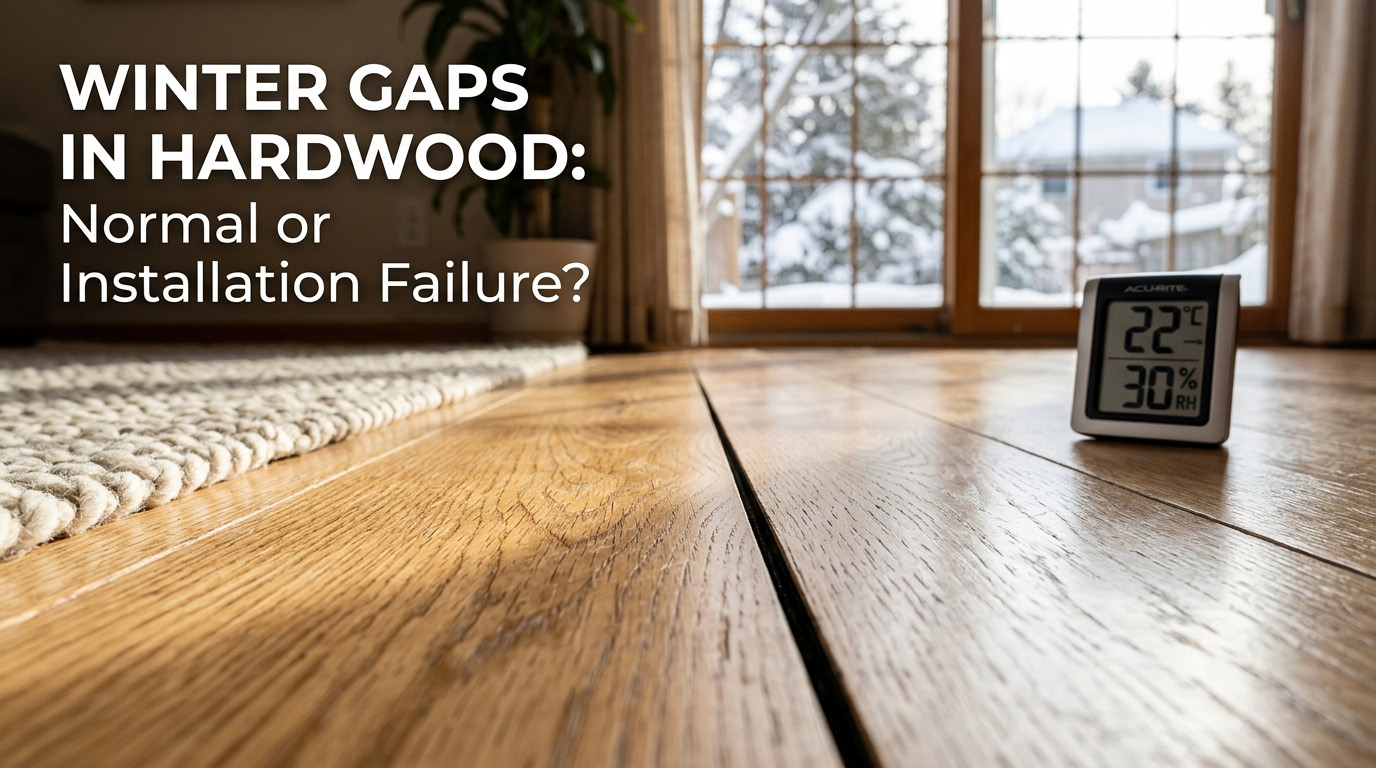
Winter Gaps in Hardwood: When Is Dry-Air Shrinkage Normal, and When Is It an Installation Failure?

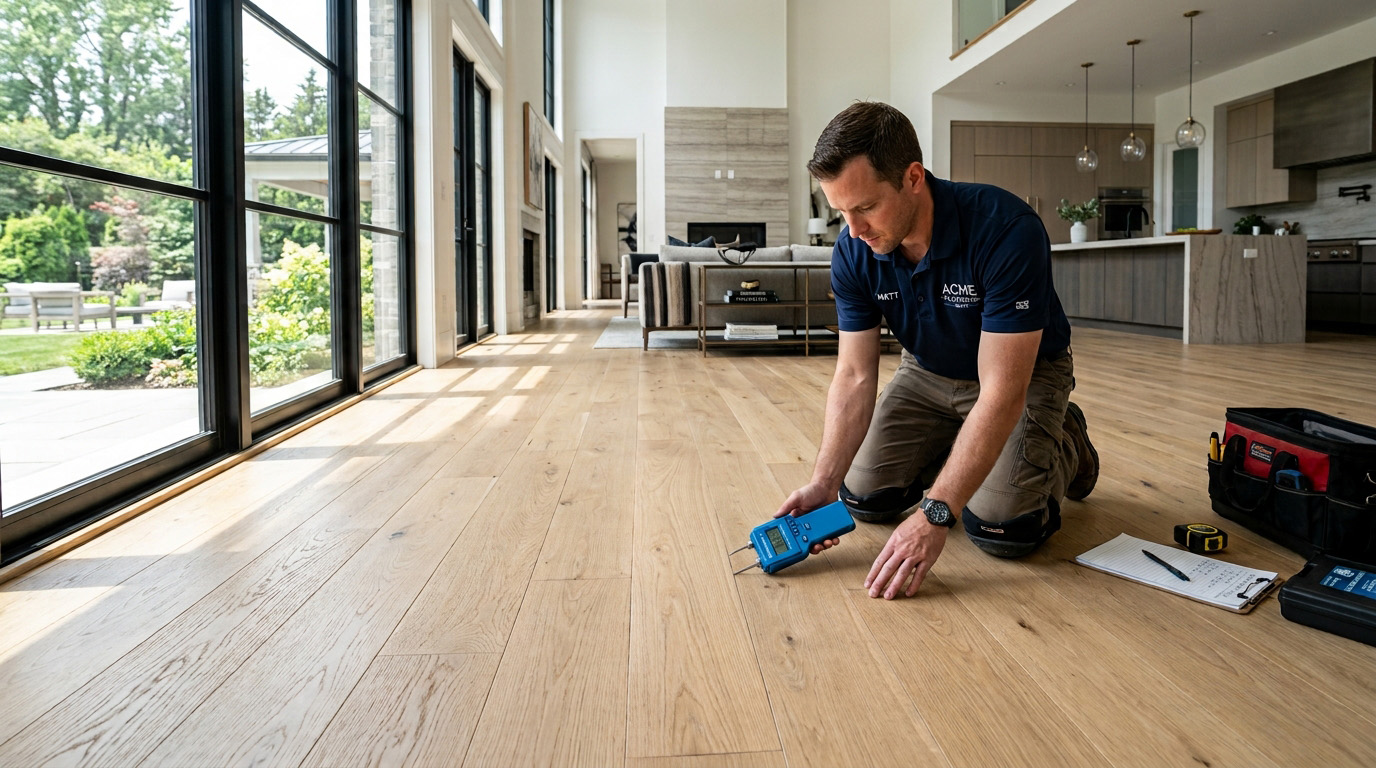
During the winter, many homeowners notice small gaps appearing between hardwood floorboards that were not visible during warmer months. The immediate concern is often the same: Was the floor installed incorrectly? Not necessarily. Hardwood naturally expands and contracts as moisture levels change throughout the year. In New Jersey and throughout the Northeast, heated indoor air … Read more

Cupping vs. Crowning: What Your Hardwood Floor Is Telling You About Moisture

When hardwood flooring suddenly becomes uneven, moisture is often involved. But the way the boards change shape can provide important clues about what is happening beneath—or above—the floor. Two of the most common moisture-related conditions are cupping and crowning. They may look similar, but they describe opposite board shapes and can have very different moisture … Read more

Why Does My Hardwood Floor Squeak? The Problem May Be Underneath

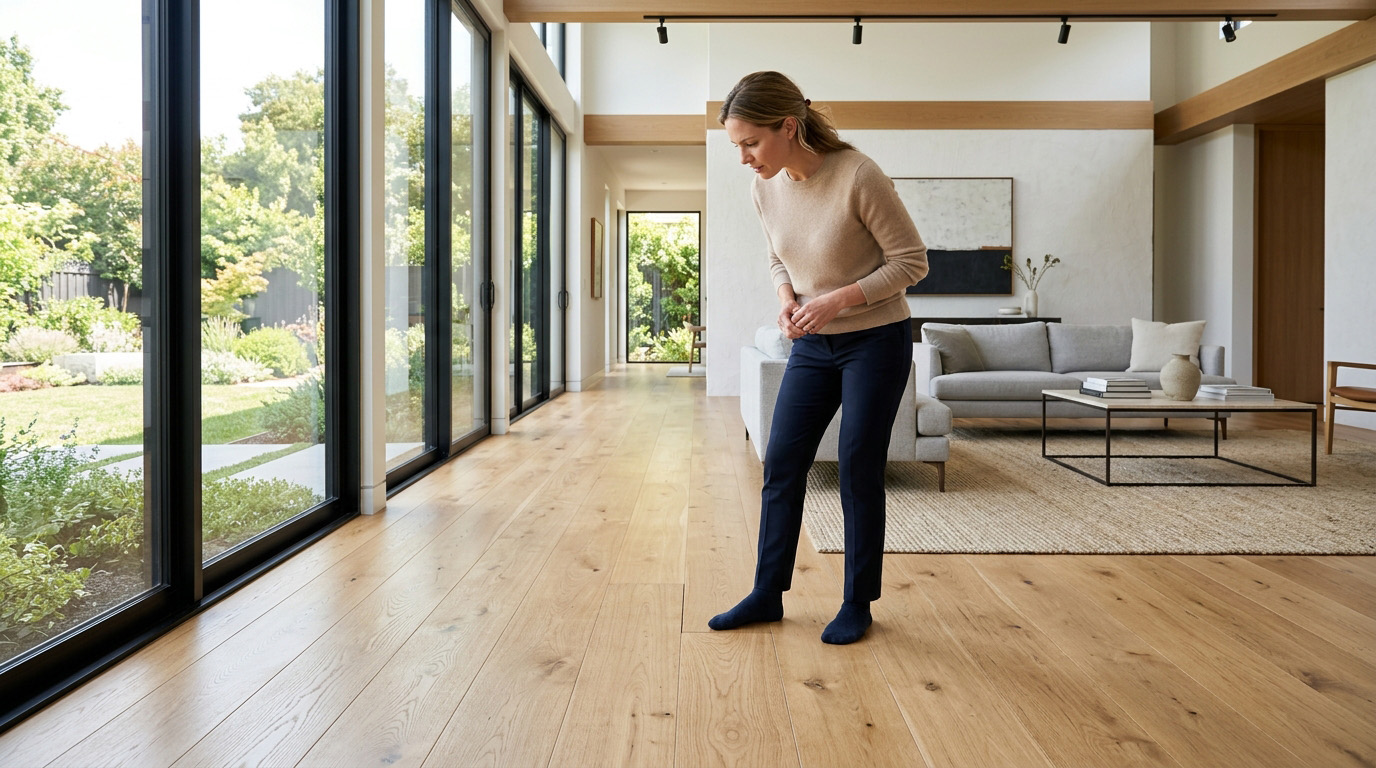
A squeaky hardwood floor doesn’t necessarily mean there’s something wrong with the hardwood itself. In many cases, the sound is caused by movement somewhere beneath the finished floor. The hardwood, subfloor, fasteners, and floor joists all work together as one system. When one layer moves against another under foot traffic, friction can create squeaks, creaks, … Read more

Why Moisture Testing Is One of the Most Important Steps Before Installing Hardwood

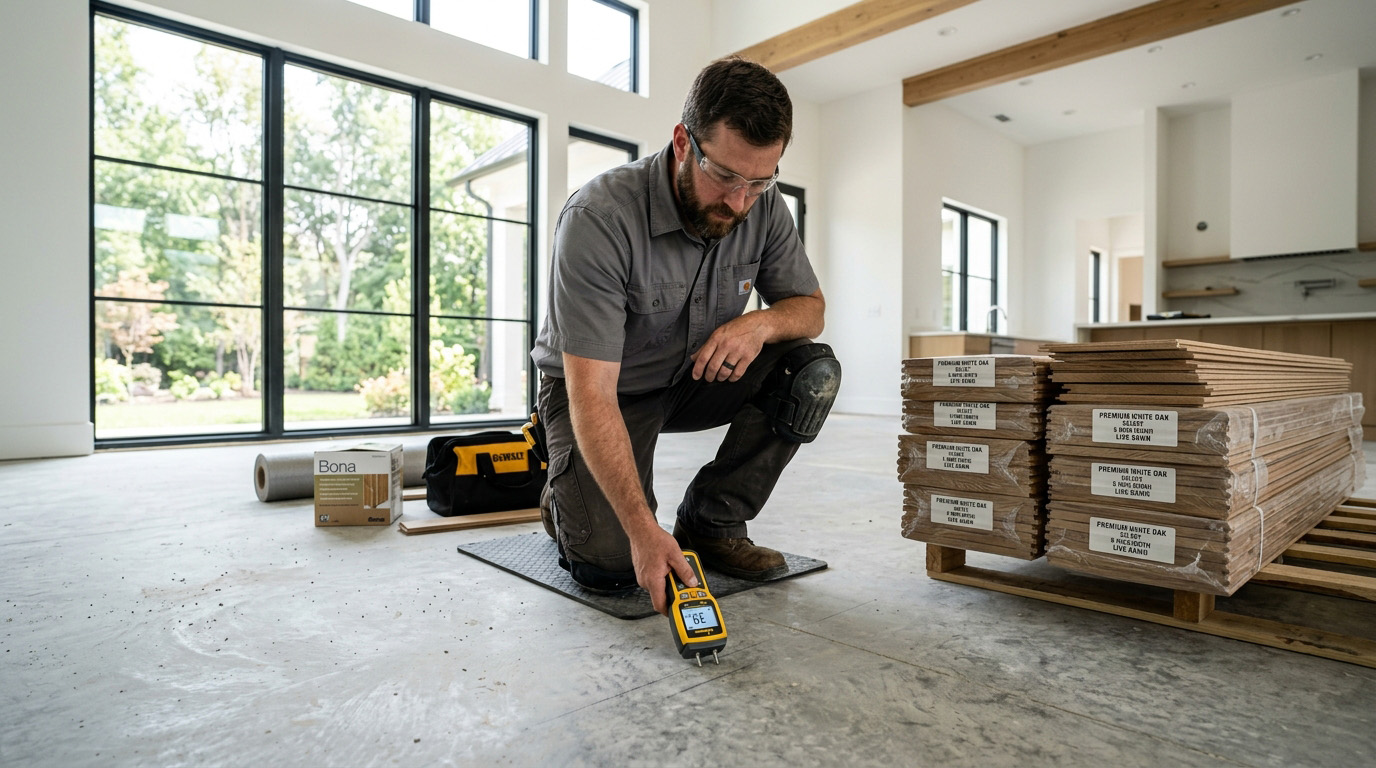
A beautiful hardwood floor starts long before the first board is installed.  One of the biggest factors affecting the long-term performance of hardwood flooring isn’t the wood itself—it’s the condition of the subfloor underneath it.  Whether the flooring will be installed over concrete or plywood, excess moisture can lead to problems such as cupping, buckling, … Read more